Thermistors
Thermistors are precision temperature-sensing components made from a combination of metal and metal oxide semiconductor materials. Most thermistors feature a negative temperature coefficient (NTC), meaning their electrical resistance decreases as temperature rises, which is why they are often referred to as “thermal resistors.”
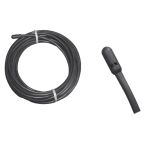
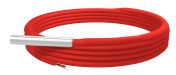
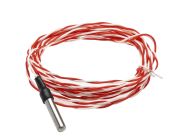
Available in various forms, such as disks, beads, rods, or chips, and typically encapsulated in epoxy, glass, paint, or phenolic, thermistors can be easily mounted within systems requiring precise temperature monitoring. Their reliability and responsiveness make them essential components in industrial, commercial, and consumer electronics.
How Does a Thermistor Work?
Unlike conventional temperature sensors that directly display temperature, a thermistor measures temperature indirectly by changing its electrical resistance in response to temperature fluctuations.
The degree of resistance change depends on the material used in the thermistor and the type of medium being measured, whether solid, liquid, or gas, which determines the most suitable thermistor material for the application.
Thermistors are often paired with a temperature controller, which monitors the resistance and sends signals to a heating or cooling system to maintain the desired temperature. While their primary function is as resistive temperature sensors, thermistors can also be used in series with other components to regulate electrical current based on temperature, adding versatility to their applications.
Types of Thermistors
NTC (Negative Temperature Coefficient) Thermistors
NTC thermistors reduce their resistance as temperature increases. They are commonly used as temperature sensing probes for precise monitoring. Additionally, they can be placed in series within a circuit to limit inrush current, protecting sensitive components from sudden surges.
PTC (Positive Temperature Coefficient) Thermistors
PTC thermistors work in the opposite way, with resistance increasing as temperature rises. They are often used as probe-based resettable fuses in electrical circuits, automatically limiting current flow to protect against overcurrent conditions and returning to normal operation once the temperature drops.
Factors to Consider When Choosing the Right Thermistor Sensor
Selecting the appropriate thermistor sensor is essential for accurate temperature measurement and reliable performance. Key factors to consider include:
- Type: Choose between NTC or PTC thermistors based on whether you need resistance to decrease or increase with temperature.
- Nominal Resistance Value: Ensure the thermistor’s resistance at a reference temperature matches your circuit or application requirements.
- Temperature Range: Verify that the sensor can operate accurately across the expected range of temperatures in your system.
- Probe / Sensor Dimensions: Select the correct size and shape, such as bead, disk, rod, or chip, to fit the space available in your equipment.
- Cable / Lead Length: Ensure leads are long enough for installation without causing signal loss or interference.
- Response Time: Consider how quickly the thermistor reacts to temperature changes, which is critical for fast-acting control systems.
- Encapsulation: Choose a protective coating or housing, such as epoxy, glass, or phenolic, suitable for the operating environment.
- Power Dissipation: Ensure the thermistor can handle the electrical power in the circuit without excessive self-heating that could affect readings.
- Stability, Drift, and Ageing: Consider long-term reliability; high-quality thermistors maintain consistent performance over time without significant drift or degradation.
Applications of Thermistors
Thermistors are widely used across industries thanks to their accuracy and responsiveness in temperature measurement:
- Digital Thermometers: Thermistors are used in digital thermometers to provide precise temperature readings for medical, laboratory, and consumer use.
- Automotive Systems: Monitor engine oil, coolant, and battery temperatures to ensure optimal performance and prevent overheating.
- Ovens: Regulate cooking temperatures for consistent results in both industrial and domestic ovens.
- Refrigerators: Control cooling cycles to maintain safe food storage temperatures efficiently.
- Heating and Cooling Protection Circuits: Act as safeguards by limiting overcurrent or triggering system shutdowns to prevent overheating or damage.
How to Order Thermistors from RS NZ
Find the right thermistors for your application at RS New Zealand. We are a trusted supplier of high-quality thermistor sensors and components from leading brands, including EPCOS, Amphenol Advanced Sensors, and TE Connectivity. Discover our full online selection to find the perfect thermistors, temperature probes, and thermal sensors for your industrial, automotive, and electronic applications.
Ordering is simple. Add your chosen items to the cart and complete your purchase through our secure and user-friendly checkout. We offer multiple payment options for your convenience. For details on delivery times, shipping fees, and service coverage across New Zealand, please visit our dedicated Delivery Information page.



Popular Searches
Related links
- Understanding Thermistors: Types and Calibration in New Zealand
- Thermistor ICs
- EPCOS NTC PTC Thermistor, 25°C Max
- EPCOS NTC PTC Thermistor, 203°C Max
- Finder Thermistor PTC Thermistor Temperature Relay 19.2 → 26.4V ac/dc, DIN Rail
- EPCOS NTC PTC Thermistor, 103°C Max
- EPCOS NTC PTC Thermistor, 104°C Max
- TE Connectivity Fluoroplastics NTC Temperature Sensor -40°C Min 3.3mm Probe