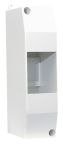
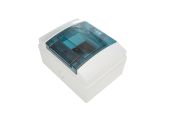
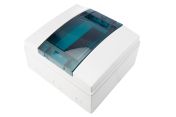
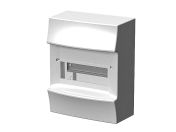
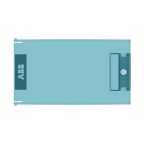
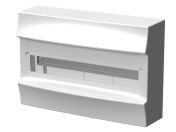
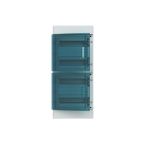
Consumer Units
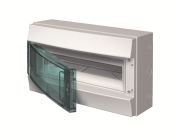
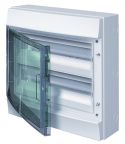
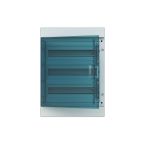
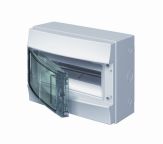
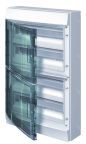
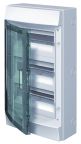
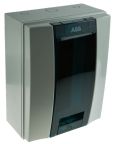
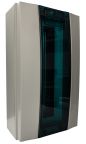
Consumer units, also known as fuse boxes or distribution boards, are crucial for controlling and distributing electricity in buildings. They contain circuit breakers or fuses that cut power during overloads and short circuits, enhancing electrical safety by protecting against electric shocks and fire hazards.
In New Zealand, it’s essential for consumer units to comply with local electrical standards. Regular inspections and maintenance are necessary to ensure their effectiveness. Selecting the appropriate consumer unit is vital for safe and reliable electrical use in homes and commercial properties.
What Does a Consumer Unit Do?
The main purpose of a consumer unit is to safeguard electrical circuits from overloading, short circuits, and electrical faults that could lead to fires or other hazards. To achieve this critical safety function, the consumer unit acts as the central control point where the electrical supply from the utility company enters the building, and is then efficiently distributed to different circuits throughout the property.
Components of a Consumer Unit
Modern day consumer units consist of the following four main components:
Main Switch
The Main Switch is a large, central component within the consumer unit that serves as the master point of control for the entire electrical installation. It allows you to completely and manually isolate the incoming electrical supply to the entire property. This crucial function ensures the ability to swiftly and safely turn off the electricity in the event of an emergency, or when performing maintenance or repairs on any part of the wiring system.
Residual Current Devices (RCDs)
Residual Current Devices (RCDs) are highly sensitive safety devices designed specifically to prevent serious electric shock injuries to users. They function by continuously monitoring the flow of electrical current in the live and neutral wires. If the RCD detects an imbalance, indicating that current is leaking to Earth (such as through a person's body), it will instantly and automatically disconnect the power, typically much faster than a standard circuit breaker.
Circuit Breakers
Circuit breakers are essential protection devices within the consumer unit designed to safeguard the electrical wiring from damage caused by overloads and short circuits. These devices automatically "trip" or switch off the flow of power when the current exceeds a predetermined safe limit, or when an electrical fault occurs. While modern installations use these reusable breakers, older fuse boxes rely on fuses, which contain a thin wire that melts to break the circuit permanently when exposed to excessive current.
Circuit Labels
Circuit labels are essential identification markers fixed to the consumer unit that clearly indicate which areas, rooms, or major appliances each individual circuit supplies power to. This critical documentation makes the system safe and efficient by allowing users or electricians to quickly identify and isolate a specific circuit when maintenance, troubleshooting, or repairs are necessary. Furthermore, the overall design and components of a fuse box or consumer unit must adhere to strict local electrical codes and regulations.
Types of Consumer Units
The type of consumer unit chosen depends on the age of the property, its power requirements, and current electrical safety regulations. Some of the most popular types of consumer units include:
Dual RCD Consumer Unit
Dual RCD consumer units split the property's circuits across two separate Residual Current Devices (RCDs) within the main fuse board. This design ensures that if a single fault occurs, only half of the property loses power, maintaining power to essential circuits like lighting. This configuration offers a good balance of enhanced circuit protection and continuous operational stability for any modern building.
High-Integrity Consumer Unit
A high-integrity consumer unit offers the maximum level of circuit protection by providing a third, non-RCD protected section for a few critical circuits, alongside the RCD-protected circuits. These electrical consumer units are highly recommended for large or complex installations where the isolation of a single fault is paramount. They utilise a mix of RCDs and standard circuit breakers to ensure no single fault causes a complete blackout.
Main Switch Only Consumer Unit
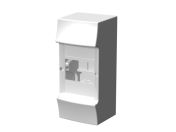
The main switch-only consumer unit is the most basic distribution box, containing only a main switch and leaving all circuit protection (such as circuit breakers or fuses) to be provided by separate devices. These simple electric fuse box types are typically used as sub-boards in detached garages, extensions, or workshops where they are fed from a larger, fully protected consumer unit elsewhere.
How to Choose the Right Fuse Board?
Here’s what to keep in mind when selecting your fuse board or electrical consumer unit:
- Main Incoming Capacity: This must match or exceed the maximum electrical load the property draws from the utility supply to prevent overheating and ensure system stability.
- Number of Circuits: Determine the total number of individual circuits (outlets, lighting, appliances) currently required, plus any additional circuits needed for future upgrades.
- Number of Outgoing Circuits: This specifically dictates the number of dedicated ways or slots available in the circuit breaker box for connecting individual circuits.
- Type of Protection: You must choose between designs utilising fuses, standard circuit breakers, or advanced safety options like RCDs and Arc Fault Detection Devices (AFDDs).
- IP Rating: The Ingress Protection (IP) rating indicates the enclosure's resistance to dust and moisture, which is especially important if the consumer unit will be installed in an exterior or damp location.
- Material: The unit’s enclosure material (typically steel or non-metallic) affects fire resistance and durability, with metal options often preferred for maximum safety compliance.
- Expansion: Always select a fuse board with extra available ways beyond immediate needs to accommodate future additions of power points, EV chargers, or appliances.
- Busbar and Internal Layout Considerations: The internal configuration and busbar design influence ease of wiring and the flexibility to mix and match different types of protective devices.
- Compliance and Standards: Ensure the chosen electrical consumer unit strictly complies with all current New Zealand electrical safety standards and regulations (e.g., AS/NZS 3000).
- Ease of Installation and Cable Entry Points: Consider the physical design, mounting options, and the location of knock-outs or entry points to simplify cable routing during installation.
Applications of Fuse Boards
Fuse boards and consumer units are vital across a range of property types and usages, such as:
- Residential Houses/Apartments: The primary application is serving as the central hub for electricity distribution, ensuring that every light, outlet, and appliance is safely protected from electrical faults within the home.
- Small Commercial Buildings: These units manage power supply in offices, retail shops, and restaurants, protecting lighting, HVAC, and vital data equipment against short circuits and overloads.
- Add-on Circuits/Expansions: A simple main switch-only consumer unit is often used as a sub-board to distribute power to new extensions, garden sheds, or detached garages, fed from the main property fuse box.
- Retrofit/Replacement Units: Modern circuit breaker box units are crucial for replacing outdated, non-compliant, or faulty house fuse box installations to meet current residential and industrial electrical safety standards in New Zealand.
Shop Fuse Boards and Distribution Units Online at RS New Zealand
Acquiring your fuse boards and consumer units from RS New Zealand’s digital platform is a straightforward and dependable process. Our extensive online catalogue offers a wide selection of top-quality electrical consumer unit solutions, as well as related products such as busbars and junction boxes, from leading brands such as Parker and Norgren. Once you've selected your preferred products, simply proceed to checkout via any of our convenient online payment options.
When you purchase your electrical fuse boxes from us, you're investing in quality assurance and expert technical support. This, coupled with our competitive prices, ensures you get the best value without compromising on durability or performance.
Our streamlined delivery services also ensure the swift, nationwide doorstep delivery of your products across the country. For complete specifics on dispatch timelines, applicable charges, and available shipping choices, kindly consult our dedicated Delivery Page today.