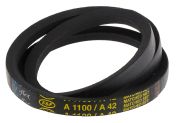
V & Wedge Belts
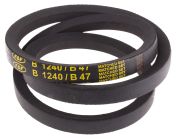
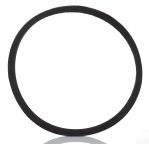
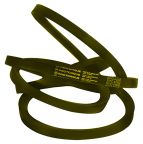
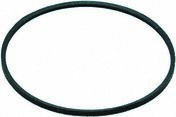
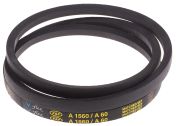
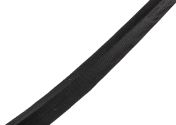
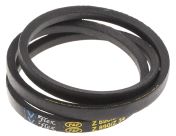
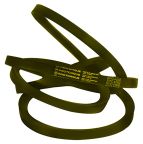
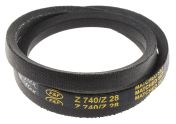
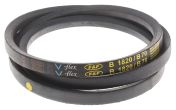
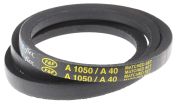
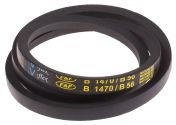
A drive belt is a length of synthetic flexible material or rubber, joined to form a continuous loop. V-Belts, also known as wedge belts or rubber drive belts, are specifically designed to link two or more V-Belt pulley systems, transferring power and motion. These V-Drive belts fit securely into the grooves of the V-Belt pulley, creating friction when tension is applied, translating it into motion.
Type of V-Belts
Understanding the different types of V-Belts is crucial for selecting the right solution for your specific power transmission needs. Each variant offers unique characteristics optimised for different applications and operational demands.
Classical V-Belts
These are the original and most widely used V-Belts, characterized by their traditional trapezoidal cross-section and suitable for a broad range of general industrial power transmission applications.
Wedge Belts
Wedge belts feature a narrower and deeper profile compared to classical V-Belts, allowing them to transmit significantly more power in a more compact design, making them ideal for high-power, space-constrained drives.
Cogged V-Belts
Distinguished by their notched or cogged underside, these V-Belts offer enhanced flexibility and better heat dissipation, making them suitable for smaller pulley diameters and high-speed applications.
Banded V-Belts
Banded V-Belts consist of multiple individual V-Belt sections joined together by a common top band, providing superior stability and preventing belt whip or rollover on drives with pulsating or heavy shock loads.
Factors to Consider When Choosing the Correct V-Drive Belt
Selecting the optimal V-Drive belt and pulley is essential for ensuring the efficiency, longevity, and reliability of your power transmission system. Here are some things to consider when making your choice in New Zealand (NZ):
- Application Requirements: Understand the specific demands of your machinery, including power to be transmitted, operating speeds, and environmental conditions (e.g., temperature, presence of oil or dust). This will influence the required strength and material composition of the V-Belt.
- Belt Type and Profile: As discussed, different V-Belt types (e.g., Classical, Wedge, Cogged, Banded) are suited for varying loads and operational characteristics. Matching the belt profile to your existing V-Belt pulley system is crucial for proper engagement and efficient power transfer.
- Identifying and Measuring the Correct Belt Size: Identifying the correct size belt for your application is an important step to making sure it aligns with your existing system. While getting exact measurements from a manufacturer part number is ideal, if unavailable, the length of the V-Belt can be measured by its inner circumference, using a specialist tool or cloth tape. The width is determined by measuring across the top of the "V" and the height of the "V" in the belt's cross-section. These measurements define the belt's "section" size and are critical for proper fit within the pulley grooves.
- Operating Environment: Consider factors like extreme temperatures, exposure to chemicals, or abrasive materials, as these can impact the lifespan and performance of your V-Drive belts. Special materials or coatings may be necessary for harsh environments.
- Tensioning and Alignment: Proper belt tension and pulley alignment are paramount for optimal performance and preventing premature wear.
Applications of V and Wedge Belts
V-Belts and wedge belts are indispensable components across a vast spectrum of industries, enabling the reliable and efficient operation of countless machines. Their versatility in power transmission makes them a go-to solution for diverse applications demanding robust and consistent performance.
- Industrial Machinery: V-Belts and pulleys are widely used in manufacturing plants for conveyor systems, machine tools, compressors, and pumps, ensuring smooth and powerful operation of critical equipment.
- HVAC Systems: Essential for driving fans and blowers in heating, ventilation, and air conditioning units, facilitating air circulation and climate control in commercial and industrial buildings.
- Agricultural Equipment: V-Drive belts are commonly used in a variety of farm machinery such as tractors, combines, and irrigation pumps, providing the necessary power for harvesting, tilling, and other agricultural tasks.
- Automotive Applications: Rubber drive belts are typically found in vehicle engines to drive accessories like alternators, power steering pumps, and air conditioning compressors, crucial for overall vehicle functionality.
- Mining and Quarrying: Utilised in heavy-duty equipment like crushers, screens, and conveyors, designed to withstand the harsh and demanding conditions of material processing.
- Food Processing Equipment: Applied in mixers, blenders, and packaging machinery within the food industry, where hygiene and reliable operation are paramount for production efficiency.
Explore V & Wedge Belts at RS New Zealand
For reliable power transmission solutions in New Zealand, RS is your trusted supplier and distributor of high-quality V-Belts and wedge belts from renowned brands like OPTIBELT, Gates, SKF and more. Besides V-Belts, we also carry a comprehensive selection of complementary mechanical power transmission products such as timing belts, steel rollers and belt pulleys. To find out more about our delivery options and associated fees, visit our delivery page.