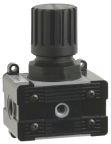
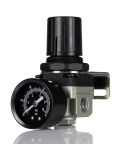
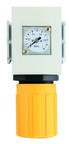
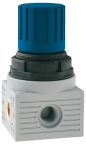
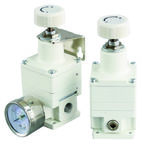
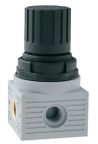
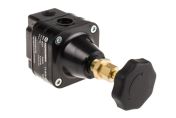
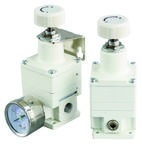
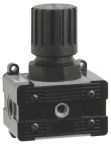
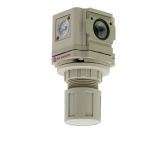
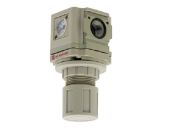
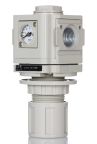
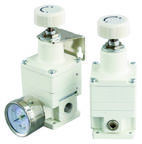
Pneumatic Regulators
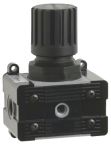
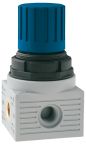
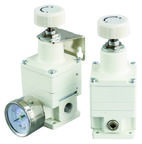
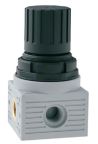
A pneumatic regulator is a control device that takes an inconsistent, higher pressure from an air compressor and lowers it to a steady, usable pressure for your pneumatic tools or machinery.
When the user sets the desired output pressure, the pneumatic regulator constantly adjusts itself to maintain that exact pressure, even if the main air supply fluctuates or if your tools demand more or less air. This ensures your equipment runs smoothly, safely, and efficiently.
How Does a Pneumatic Regulator Work?
A pneumatic regulator converts high, variable upstream air pressure into a stable, lower downstream pressure, essential for protecting sensitive pneumatic equipment and optimizing system performance. Industrial air compressors often produce excessive pressure for most tools, leading to wear and inefficiency.
The regulator manages this pressure through a balance of forces. A sensing element, usually a flexible diaphragm or piston, monitors the downstream pressure and is linked to an internal valve poppet. When downstream pressure exceeds the set point, the valve modulates to restrict airflow until the desired pressure is reached. If pressure falls below the set point, the valve opens further, creating a feedback loop that ensures stable output pressure despite input fluctuations.
Types of Air Pressure Regulators
New Zealand's diverse industries require a range of air pressure regulators, each designed for specific functionalities. Understanding these variations is key to selecting the most effective solution.
Standard Pneumatic Regulators
These are the most fundamental and widely used type, maintaining a constant output pressure regardless of input variations. They are ideal for general-purpose applications requiring stable downstream pressure, like controlling air supply to basic pneumatic cylinders or workshop tools.
Filter Regulators
Combining an air filter and a pressure regulator into a single unit, filter regulators deliver both purified and pressure-regulated air. The filtration stage removes contaminants (particles, moisture), preventing wear in downstream components. This is invaluable where air quality is paramount.
Filter Regulator Lubricators (FRLs)
These comprehensive units perform filtration, pressure regulation, and lubrication. After filtering and regulating, a lubricator introduces a fine oil mist into the airstream. This lubricated air is vital for the smooth and prolonged operation of many pneumatic tools and cylinders requiring internal lubrication, common in automated machinery.
Relieving Pneumatic Regulators
These regulators feature a 'relieving' mechanism that vents excess downstream pressure to the atmosphere if it rises above the set point. This is critical for safety and protecting sensitive downstream equipment from overpressure damage.
Non-Relieving Pneumatic Regulators
Unlike relieving types, these do not vent excess downstream pressure. They are typically employed in closed systems or where venting to the atmosphere is undesirable due to the nature of the gas or environmental concerns, often chosen for precision applications.
Modular and Manifold Regulators
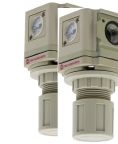
Modular regulators are designed for flexibility, allowing easy assembly with other air preparation components to create customised units. Manifold systems enable multiple regulated outputs from a single input, simplifying piping and saving space in dense industrial setups, common in large-scale manufacturing facilities across NZ.
Benefits of Pneumatic Regulators
Integrating high-quality pneumatic regulators yields significant advantages directly impacting operational efficiency and profitability:
- Quick response and accurate pressure regulation: Ensures consistently stable output, vital for process control and product quality.
- Energy efficiency: Precisely regulating air pressure reduces energy consumption from compressed air generation, leading to direct savings.
- Prolonged equipment life: Operating tools at optimal pressure reduces wear and tear, leading to fewer breakdowns and an extended lifespan for equipment.
- Enhanced operational safety: Prevents overpressure situations, mitigating risks of component rupture or other hazardous incidents.
- Improved process and product consistency: Consistent air pressure leads to consistent performance from machinery, resulting in higher product quality and fewer defects.
Things To Consider When Choosing A Pressure Regulator
Selecting the optimal pressure regulator is a strategic decision. Consider these key factors for efficiency and reliability:
- Inlet pressure: Maximum pressure entering the regulator; must be within its rated capacity.
- Outlet pressure: The desired, regulated pressure required by downstream equipment.
- Connection port sizes: Must match existing piping for seamless integration and to prevent leaks.
- Flow rate: Volume of air the regulator can efficiently pass; match to system demands to avoid pressure drops.
- Operating temperature: Regulator must perform reliably within the ambient and media temperature extremes.
- Size and weight requirements: Critical for compact machinery, confined spaces, or mobile applications.
- Material compatibility: For specialised applications, ensure materials are compatible with the media and meet relevant standards.
Applications of Air Pressure Regulators
The utility of air pressure regulators extends across virtually every sector of modern industry, serving as vital components:
- ****Industrial automation: Fundamental for precise movements of pneumatic cylinders and robotics in manufacturing lines.
- Pneumatic air compressors: Integral to conditioning and delivering safe, usable air from compressors to the entire plant.
- Manufacturing processes: Provides consistent controlled air for operations like clamping, conveying, and spraying across diverse sectors.
- Medical industry: Critically used in ventilators, anaesthesia machines, and medical gas delivery for precision and safety.
- Heating furnaces and gas grills: Many commercial and domestic gas appliances use high pressure regulators to safely reduce gas pressure.
- Food and beverage industry: Key for maintaining hygienic conditions and consistent pressure in bottling, filling, and packaging lines.
- Automotive industry: Used for consistent paint spraying, precise tyre inflation, and powering pneumatic tools in manufacturing and service.
Shop Pneumatic Regulators Today!
The strategic integration of high-quality pneumatic regulators is a direct investment in the efficiency, safety, and longevity of your industrial operations. By enabling precise control over your pneumatic systems, you empower your equipment to perform at its optimal best, leading to greater productivity and improved profitability.
RS NZ is your dedicated partner for all your industrial component needs. Explore our extensive range of compressed air regulator solutions and discover the ideal fit for your specific requirements.
Ordering & Delivery Information for NZ
At RS NZ, we're dedicated to providing New Zealand businesses with a seamless and reliable procurement experience. As part of the global RS Group, we offer an unparalleled inventory, including industry favourites like SMC, Festo, and EMERSON – AVENTICS, all engineered to meet robust industrial demands.
Our intuitive website makes ordering straightforward and efficient. You can easily browse and purchase essential components like electrical contactors, booster regulators, pressure relief valves and more whenever your operations require them.
We understand the critical importance of timely supply. RS NZ provides dependable and efficient delivery services throughout New Zealand, ensuring your crucial components reach you promptly. For more information on our ordering procedures and delivery options, please visit our delivery page.