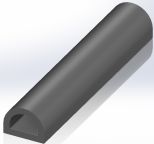
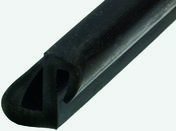
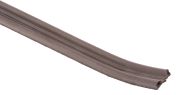
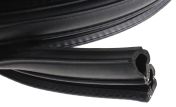
Door Seals
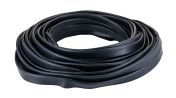
Door seals and edging strips are critical components in many industrial and commercial settings, providing effective barriers against dust, moisture, air leaks, and noise. Commonly installed along the perimeters of doors and hatches, they ensure secure closure and contribute to energy efficiency, safety, and operational integrity. Whether for industrial environments, manufacturing facilities, or domestic settings, RS New Zealand offers high-quality door seals tailored to meet diverse application needs.
Type Of Door Seal And Edging Strips
Door seals come in a wide range of profiles and materials, each suited to specific sealing requirements, environmental exposures, and structural configurations.
Profile Shapes
Door seals are available in various profile shapes to suit different sealing requirements, movement tolerances, and surface geometries. Selecting the right profile is essential for ensuring a secure fit, maintaining compression, and achieving optimal sealing performance.
U-Shaped Seals
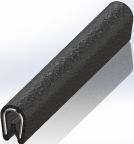
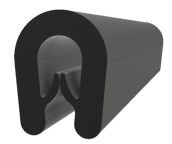
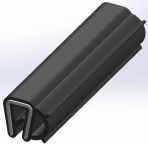
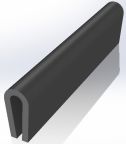
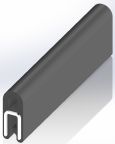
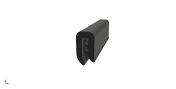
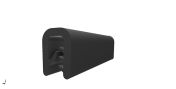
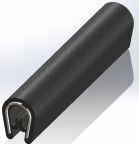
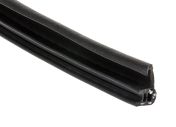
U-shaped rubber door seals are commonly used for edge protection and are ideal for sealing around sharp metal or wooden door frames. They provide excellent grip and cushioning, making them suitable for industrial machinery enclosures, vehicle doors, and access panels.
V-Shaped Seals
V-shaped door seals offer a flexible and compressible seal. These are perfect for applications where the door or panel closes at an angle. They help accommodate dynamic movement and maintain consistent contact, often found in thermal insulation and acoustic barrier systems.
P-Shaped Seals
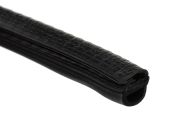
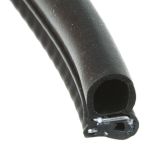
Often referred to as "bulb seals," P-shaped rubber seal strips combine a flat base with a rounded bulb. This design is excellent for sealing large gaps and is frequently used in automotive, HVAC, and refrigeration systems.
Materials
Material selection plays a critical role in the performance and longevity of any door seal. Choosing the right material ensures that your door seal maintains integrity under operating conditions, whether it’s for automotive production lines, industrial workshops, or electrical enclosures.
EPDM Rubber
EPDM (Ethylene Propylene Diene Monomer) rubber is highly resistant to weathering, ozone, and UV exposure. EPDM rubber seal strips are preferred in outdoor environments and applications requiring long-term durability and flexibility over a wide temperature range.
PVC Plastic
PVC (Polyvinyl Chloride) door seal strips offer a cost-effective solution with good resistance to chemicals and abrasion. They are commonly used for decorative trims and light-duty sealing applications in consumer products and indoor industrial uses.
Foam
Foam seals are compressible and lightweight, making them suitable for door sealing strips where moderate sealing is required. Foam is commonly used in electronics enclosures, lighting fixtures, and domestic doors and windows to prevent dust ingress.
Fixing Methods For Door Seals
The choice of fixing method for door seals depends on the installation environment and the material surface. At RS, we supply rubber door seals with a variety of installation mechanisms to ensure maximum convenience and durability:
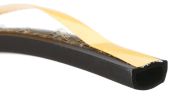
- Adhesive backing – Easy peel-and-stick application; ideal for quick installations in low-load settings.
- Push-on fit – Common for U-shaped rubber seal strips, providing a secure grip around door edges without adhesives.
- Screw-fixed or riveted – For heavy-duty applications requiring permanent sealing such as warehouse roller doors or industrial access points.
- Clip-on seals – Used in automotive and sheet metal environments for efficient sealing and edge protection.
Brush Strips And What Do They Do?
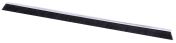
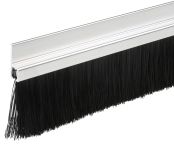
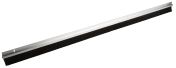
Brush strips, also referred to as draught excluders, are flexible sealing strips made of densely packed synthetic or wire bristles. These are mounted at the bottom or sides of doors to block air, dust, light, and pests while allowing slight movement or clearance underneath. In industrial facilities, bottom door seals often incorporate brush strips to maintain cleanliness in production areas and prevent heat loss in temperature-controlled environments. RS offers a wide range of brush and rubber seal strips suitable for both commercial and industrial use.
Features To Consider While Choosing Door Seals
When selecting the right door seal for your application, consider the following factors:
- Profile shape – Ensure compatibility with the gap size, door motion, and compression needs.
- Material – Choose based on exposure to UV, heat, chemicals, or mechanical stress.
- Fixing method – Consider ease of installation and permanence (adhesive vs mechanical fixation).
- Durability and flexibility – For high-frequency usage doors, resilient materials like EPDM are ideal.
- Sealing performance – Depending on whether you need thermal, acoustic, dust, or waterproof sealing.
- Compliance – Verify that the material complies with any industry standards required for your application.
Applications Of Door Seals And Edging Strips
Rubber door seals and edging strips serve a variety of sectors and use cases, such as:
- Household doors and windows – Preventing draughts, water ingress, and reducing energy loss.
- Electrical installations – Sealing panels to protect sensitive electronics from dust and moisture.
- Shopfitting – Providing clean, aesthetic finishes while sealing display cabinets and access doors.
- Joinery and fabrication – Used in wood and metal fabrications to protect edges and seal joints.
- Workshops and factory floors – Minimising contamination and energy loss through warehouse doors.
- Automotive production lines – Critical in sealing vehicle doors, engine compartments, and boot lids.
The Leading Supplier And Distributor Of Door Seals In New Zealand
RS is your trusted source for door seals, offering an extensive selection of high-performance sealing solutions from established brands like RS PRO, TE Connectivity, and Saint-Gobain Industrial & Consumer Solutions.
Shop online today for fast delivery and technical support from our expert team. For information on ordering, shipping, and services, visit our delivery page.