Lockouts
Lockout devices are crucial for ensuring the safety of employees in New Zealand workplaces. They help prevent accidents and injuries, especially in environments with machinery and electrical equipment. Engineers and electricians must be confident that all electrical systems are properly isolated and secured before carrying out any maintenance or repair work.
When an electrical machine is safely shut down and all primary and secondary energy sources are disconnected, safety lockout devices should be applied. This procedure must be conducted by trained and experienced personnel to ensure compliance with New Zealand's health and safety regulations. Prioritising safety not only protects workers but also fosters a culture of safety within the workplace.
A lockout tag will always be used when the lockout is required. They can be written on with all the essential details for safety purposes. Lockout tags for lockouts will be kept in areas such as lockout stations.
Types of Lockouts
There are many different types of electrical lockout devices available. Some of the most popular ones are
Gate Valve Lockouts
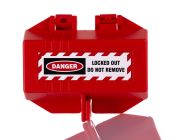
For locking out valves during any maintenance work. The robust valve lockouts fit over the valve handle and are secured in place by a padlock via the attachment point.
Ball Valve Lockouts
The ball valve lockout device is used to prevent the valve from opening. They are designed to clamp over the lever and stop the handle from being turned. The ball valve lockout is secured in place by a padlock via the attachment point.
Circuit Breaker Lockouts
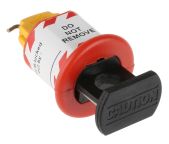
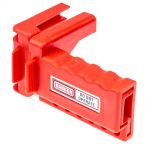
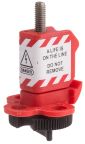
Circuit breaker lockout, also referred to as a miniature circuit breaker (MCB) lockout, is used to ensure MCBs are locked out safely. They are essential for anyone working on electrical circuits.
Cable Lockouts
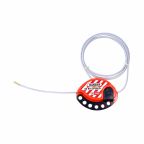
Cable lockouts are ideal for use on larger equipment, or where multiple items need to be isolated. The power cable can be fitted around the equipment and a safety padlock is attached.
Lockout Hasps
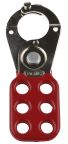
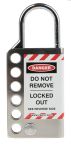
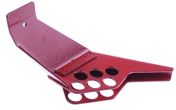
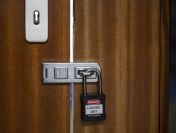
Lockout hasps are essential in any LOTO (Lockout Tagout) safety procedure and in a lockout kit. The safety hasp jaw is passed through the attachment point of any lockout devices and is secured in place by one or multiple safety padlocks.
Safety Padlocks
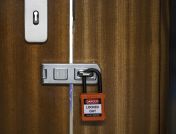
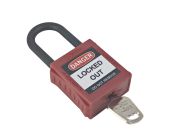
Safety padlocks come in a range of body sizes and shackle sizes. The padlocks are used in conjunction with lockout hasps and lockout devices. Safety padlocks should be compliant with the Occupational Safety and Health Administration (OSHA). 1 employee = 1 padlock = 1 key
Lockout Kits
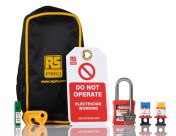
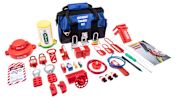
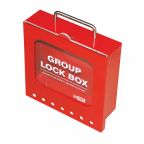
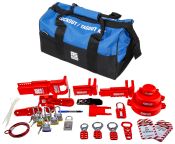
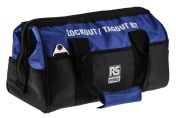
Supplied in a tough carrying case, electrical lockout kits are an essential addition to any workplace. Lockout kits contain everything you should need for your electrical isolation safety lockout procedure.
Features to Consider When Choosing Electrical Lockout Devices
When selecting an electrical lockout device, key factors to keep in mind include:
- Durability: Lockout devices should be made from robust, high-quality materials to withstand harsh industrial environments and frequent use without breaking or wearing out.
- Compliance: Ensure the device meets local and international safety standards (such as OSHA or ISO). Compliance ensures effective hazard control and supports workplace safety audits.
- Ease of use: A good lockout device in a kit should be simple to install and remove, reducing downtime and making it easier for staff to apply proper lockout/tagout procedures quickly.
- Visibility: Bright colours and clear labelling improve the visibility of lockout devices, helping prevent accidental re-energisation and enhancing industrial workplace safety.
- Portability: Lightweight and compact lockout devices are easier for workers to carry around and use across different machinery or job sites, supporting efficiency and readiness.
Applications of Electrical Lockouts
Electrical lockouts are essential for safely isolating energy sources during maintenance or repair. Common applications include:
- Industrial settings: Used to safely lock out machinery, control panels, and power sources to prevent accidental startups during servicing or routine maintenance.
- Warehouses and factories: Lockouts are applied to conveyors, forklifts, and electrical panels to ensure worker safety and compliance with workplace safety protocols.
- Laboratories: Electrical lockouts help secure sensitive testing equipment or high-voltage apparatus, reducing the risk of shock or unintended activation.
- Construction sites: Used to isolate temporary power supplies, heavy equipment, or portable generators to prevent unauthorised access and accidental energisation.
Browse Our Range of Lockout Devices and Kits
RS is a trusted supplier and distributor of lockout devices and kits in NZ, offering products from leading brands like Brady, Master Lock, ABUS, and more. Whether you're looking for circuit breaker lockouts or cable lockouts, our range covers everything required to ensure safety and compliance across all work environments.
Ordering and Delivery Information for Lockout Devices and Kits in NZ
To order lockout devices and kits from RS in NZ, you can do it online or by calling us directly. For online ordering, browse our range and add the desired product you want to buy. Choose the delivery option, payment method, and confirm your order. For detailed information, you can refer to our delivery page.

Popular Searches
Related links
- Lockout Tags
- Lockout Stations
- RS PRO Green ABS PVC Safety Lockout Padlocks 75mm Attachment
- Master Lock Red 6-Lock Nylon Electrical Lockout
- Master Lock Red 1-Lock Zenex Thermoplastic Safety Lockout Padlock, 5mm Shackle
- Master Lock Green 1-Lock Zenex Thermoplastic Safety Lockout Padlock, 5mm Shackle
- RS PRO Red 1-Lock ABS 5mm Shackle, 46mm Attachment
- Multimeter Kits