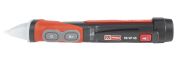
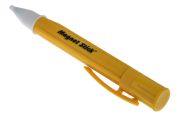
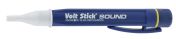
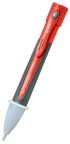
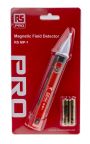
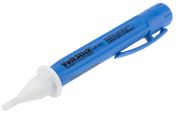
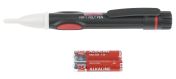
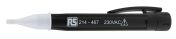
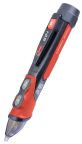
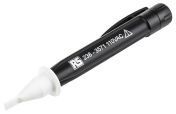
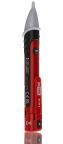
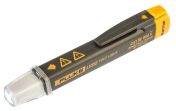
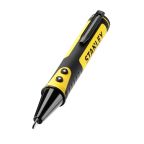
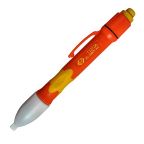
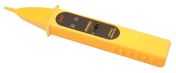
Non Contact Voltage & Magnetic Field Indicators
Non-contact voltage detectors and magnetic field indicators are a safe and reliable way to identify live wires, conductors, and magnetic fields without physical contact. These compact and portable tools, often designed as electrical tester pens, are essential for electricians and technicians working on the go in New Zealand.
These devices feature a range of indicators to enhance safety and user experience. For instance, they can identify a live current with a bright LED light and an audible beeping noise. The versatility of non-contact voltage and magnetic field testers makes them indispensable for a wide range of environments. You can even find a specialised magnetic field tester pen for specific tasks.
How Do They Work?
Non-contact voltage testers utilise what is called capacitive coupling, where the user holding the instrument provides a ground reference. The tester pen then detects a changing electric field around the object or objects conducting an AC current (alternating current).
Simply put, the user and the tester pen, when near the electrical conductor, will cause a small current to flow through the tester from the source, this is how it detects AC voltage.
At RS, we offer a wide range of reliable non-contact voltage testers and magnetic field indicators suitable for DIY enthusiasts at home to electrical engineers. These user-friendly devices ensure quick and efficient testing of voltage and magnetic field in a range of applications and can be used by anyone from a homeowner carrying out renovations to an electrical engineer.
Product Types We Offer
To support your magnetic particle inspection (MPI) process and enhance electrical safety, RS New Zealand offers a range of specialised tools, including both non-contact voltage meters and magnetic field indicators.
Voltage Indicators
Voltage indicators are devices used to check for the presence of AC voltage in electrical equipment. These tools are crucial for safety during inspection and maintenance, allowing technicians to quickly and safely verify if a circuit is live without making direct contact. Aside from having non-contact options, they can also feature a light or audible alarm that activates when a live voltage is detected, providing an immediate and reliable warning.
Magnetic Field Indicators
Magnetic field indicators are essential accessories for magnetic particle inspection, as they provide a visual way to confirm the presence and direction of a magnetic field. Tools like the pie gauge contain ferromagnetic sections separated by non-ferrous material. When placed on a magnetised part, magnetic flux lines become visible through the collection of magnetic particles, helping to ensure that the part has been properly magnetised for a successful inspection.
Combination Devices
Combination devices merge the functions of both voltage and magnetic field indicators into a single, convenient tool. These devices allow technicians to perform multiple checks with one instrument, streamlining the inspection process. For example, a single tool can be used to test for live voltage before beginning a magnetic particle inspection, and then immediately be used to verify the proper magnetic field strength and direction. This dual functionality enhances both safety and efficiency on the job.
Key Features and Benefits of Non-Contact Voltage Detectors
Non-contact voltage detectors and magnetic field testers offer a range of features that make them essential for both professionals and DIY enthusiasts.
- Enhanced Safety: The primary benefit of a non-contact voltage detector is that it allows you to test for AC voltage without touching live wires, significantly reducing the risk of electric shock.
- Portability and User-Friendly: Designed to be compact and lightweight, both non-contact voltage testers and magnetic field indicators are easy to carry and use. They provide quick, reliable feedback without requiring complex settings or training.
- Versatility: A single device can be used across various applications, from checking outlets to troubleshooting electrical panels.
- Durability: Most models are built to withstand tough working conditions, ensuring a long lifespan.
Factors to Consider When Choosing Non-Contact Voltage Testers
When selecting the right non-contact voltage tester, keep these important factors in mind:
- Voltage Detection Range: Look for a tester that covers the range of voltages you'll be working with, typically from low-voltage circuits to standard household and industrial power lines. These devices can usually detect voltages as low as 12V and as high as 1000V.
- Sensitivity and Accuracy: A good voltage detector provides consistent and precise readings to prevent false positives. Some models feature adjustable sensitivity for different applications.
- Safety and Compliance: Ensure the device meets international safety standards and is rated for the correct voltage and environment.
- Visual and Audible Indicators: Clear alarms, such as a bright LED light and a loud beeping sound, are crucial for a clear indication of voltage presence, especially in noisy or dimly lit areas.
Battery Life and Power Source: Consider the battery type and expected lifespan to avoid a sudden power loss during an important test.
Applications of Non-Contact Voltage and Magnetic Field Indicators
Non-contact voltage and magnetic field detectors are versatile tools used across a wide range of applications, including:
- Electrical Maintenance: Technicians use these tools to quickly and safely troubleshoot circuits, check for voltage in junction boxes, and verify the presence of a magnetic field in components like relays and solenoids.
- Safety Inspections: They are vital for pre-work safety checks, ensuring power is off before any hands-on work begins, which is a key part of electrical safety procedures.
- HVAC Systems: In HVAC, they help diagnose faulty components by testing for voltage in wiring and magnetic fields in motors and contactors.
- Industrial Settings: These indicators are essential for magnetic particle inspection (MPI), confirming that parts are properly magnetized to detect flaws.
- Home Renovations: DIY enthusiasts use them to safely check for live wires before cutting or working on walls and fixtures.
Find Your Perfect Voltage Tester
RS New Zealand is a trusted supplier of electrical test and measurement devices, including a wide range of magnetic field indicators and non-contact voltage testers from leading brands like Fluke, Martindale, and CK. We also offer other essential test and measurement tools, such as insulation testers, multifunction testers, and PAT machines.
With a comprehensive range and competitive pricing, RS New Zealand has everything you need to complete your next project with confidence. Explore our extensive selection online to find the ideal device to enhance your safety and efficiency on the job.
We also offer fast delivery of non-contact voltage and magnetic field detectors across New Zealand. Please refer to our delivery page for more details regarding our full range of delivery services and fees.