- Published 12 Mar 2024
- Last Modified 28 May 2025
- 10 min
A Comprehensive Guide to Car Fuses Types, Functions, How to Check & Replace Them
This guide explains what car fuses are and explores the different types and sizes available.
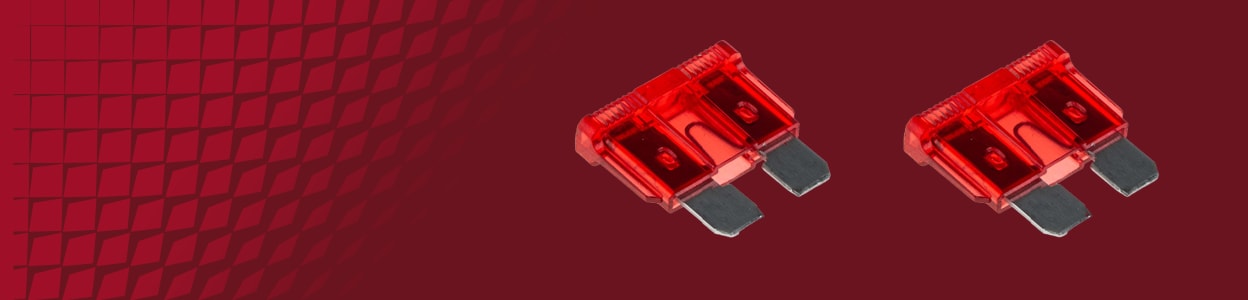
Car fuses are crucial components for maintaining electrical systems in vehicles, including cars and trucks. In New Zealand, where diverse driving conditions can affect vehicle performance, fuses play a critical role in protecting circuits from overloads and short circuits, ensuring the safety and reliability of your vehicle’s electrical components.
In this guide, we’ll cover everything you need to know about automotive fuses, including their types, functions, and management. You’ll learn how to check, replace, and select the right fuses for your vehicle, tailored to meet New Zealand’s unique environment and regulations. Whether you’re a seasoned driver or just starting your journey on the road, this guide will provide you with the essential knowledge to navigate the world of vehicle fuses with confidence.
What is a Car Fuse?
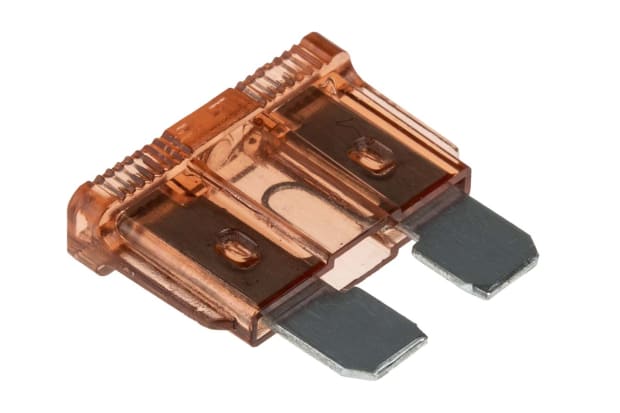
Car fuses are small, yet critical components that are used to protect the electrical systems of vehicles. They are designed to interrupt the flow of electrical current when a circuit experiences an overload or a short circuit, preventing damage to the wiring and the connected electrical components.
Car fuses come in various types and sizes, each with its own current rating. The current rating of a fuse indicates the amount of electrical current it can safely handle. Common vehicle fuse current ratings include 5, 10, 15, 20, and 30 amps, though other ratings are available as well.
New Zealand, like many other countries, primarily uses blade-type fuses in vehicles. These fuses are characterised by their flat, blade-like appearance and are often housed in a fuse box, or fuse holder, within the vehicle.
What Does a Fuse Do in a Car and How Does It Work?
The different types of car fuses act like safety valves in your vehicle's electrical system. Essentially, they are designed to melt and break the circuit when excessive current flows through them.
This sacrificial action protects the vehicle's wiring and electrical components from overheating and potential fire hazards. When a fault occurs, causing an excessive current flow, the auto fuse's internal element melts, breaking the circuit and stopping the current.
How to Check Fuses in A Car

As a responsible vehicle owner, it's crucial to know how to tell if a car fuse is blown. While designed for protection and longevity, they can blow due to electrical faults. If a component stops working, a blown fuse is often the cause. Here are the general steps to check your car's fuses:
- Locate the Fuse Box: The fuse box location varies by vehicle make and model. Common locations include under the dashboard, in the engine compartment, or in the trunk. Consult your vehicle's owner's manual for the precise location.
- Safety First: Before checking or replacing any fuses, ensure the ignition is switched off.
How to Tell if a Car Fuse Is Blown?
There are two primary methods to determine if a car fuse is blown. A visual inspection or by using a multimeter.
Checking a Car Fuse with Visual Inspection
- Open the Fuse Box: Carefully open the fuse box cover.
- Visual Inspection: Examine each fuse for a broken metal strip inside. Often, the plastic housing of the fuse will be clear enough to see the internal element.
- Look for Signs of Burning: Sometimes, a blown fuse will have a darkened or melted appearance.
Checking a Car Fuse with a Multimeter
- Set the Multimeter: Set your digital multimeter to the continuity or resistance setting (ohms).
- Test for Continuity: Place the multimeter probes on the metal terminals of the fuse.
- Interpret the Results: A beep or a reading close to zero ohms (0 Ω) indicates that the fuse is intact. No beep or an infinite resistance reading (OL or 1) indicates a blown fuse.
- Use a Fuse Tester: For easier testing, especially in tight spaces, a dedicated fuse tester can be used. These testers often use an LED to indicate fuse continuity.
- Replace Blown Fuses: If you identify a blown fuse, replace it with a new one of the same amperage rating to avoid damaging your vehicle's electrical system.
How to Replace Car Fuses - A Step-by-Step Guide
Understanding how to replace different types of automotive fuses is a valuable skill for any vehicle owner. It's a relatively simple task that can save you time and money by avoiding a trip to the mechanic. Here’s a step-by-step guide on how to replace a blown car fuse:
Step 1: Identify & Locate the Fuse Box
The location of the fuse box can vary by vehicle make and model. Common locations include under the dashboard, in the engine compartment, or in the trunk. Refer to your vehicle's manual to find the exact location.
Step 2: Locate the Blown Fuse
Open the fuse box cover and use the fuse diagram to identify the fuse that corresponds to the malfunctioning electrical component. The diagram will clearly indicate the amperage and function of each fuse.
Step 3: Remove the Blown Fuse
Fuses can be removed using your fingers or a fuse puller tool. If using your fingers, grip the fuse and gently pull it out. If using a fuse puller, place the tool around the fuse and apply steady pressure to remove it.
Step 4: Inspect the Fuse
Once removed, visually inspect the fuse to confirm that it has blown. Check for a broken metal strip inside the fuse. If the metal strip is intact, the fuse is likely still functional.
Step 5: Replace the Fuse
Take a new fuse of the same amperage rating and insert it into the slot. Different types and sizes of car fuses have distinct amperage ratings, so be sure to match the amperage of the new fuse with the amperage of the old one.
Step 6: Test the Electrical Component
After replacing the fuse, turn on the vehicle and test the electrical component to ensure that it is functioning properly. If the component now works, you’ve successfully replaced the fuse. If the problem persists, there may be an underlying issue that requires further investigation.
What Type and Size of Fuse Do I Need for My Car?
Selecting the correct fuse is crucial for maintaining your car's electrical safety. To help car owners to know what fuse to use in your car, here’s a clear guide on how to choose the right fuse:
Identifying the Right Type of Car Fuse
- Blade-Type Fuses: These are the most common type found in modern vehicles. They are characterised by their flat, blade-like terminals.
- Other Fuse Types: While blade fuses are the most prevalent type, some older vehicles or specialised applications might use other fuse types, such as cylindrical glass fuses.
Determining the Correct Fuse Size
The amperage rating, measured in amps (A), indicates the maximum electrical current a car fuse can safely handle. It is absolutely critical to match the fuse's amperage rating to the specific circuit's requirements. Using a fuse with a higher amperage than specified can lead to electrical damage or even fire, as it will not break the circuit during an overload.
In addition to the printed rating, blade-type fuses often utilise color coding to visually indicate their amperage. To accurately interpret these color codes, it's recommended to refer to a fuse color code chart, which can be easily found online or within automotive manuals.
How to Know what Fuse to Use in Your Car
Finding the correct fuse for your vehicle is essential for ensuring the safety and proper function of its electrical system. Several resources can help you identify the appropriate fuse type and amperage rating:
- Vehicle Owner's Manual: This manual provides detailed information on fuse types, locations within the fuse box, and the correct amperage ratings.
- Fuse Box Diagram: Typically located on the fuse box cover or a nearby sticker, this diagram maps each fuse to its corresponding electrical circuit. It also indicates the required amperage rating for each fuse location.
- Existing Fuse (If Available): When replacing a blown fuse, simply match the type and amperage rating of the old fuse. This ensures compatibility and proper circuit protection.
- Consult an Automotive Professional: If you're uncertain about the correct fuse, especially with complex electrical systems, seek advice from a qualified mechanic or automotive electrician.
Different Types of Vehicle Fuses
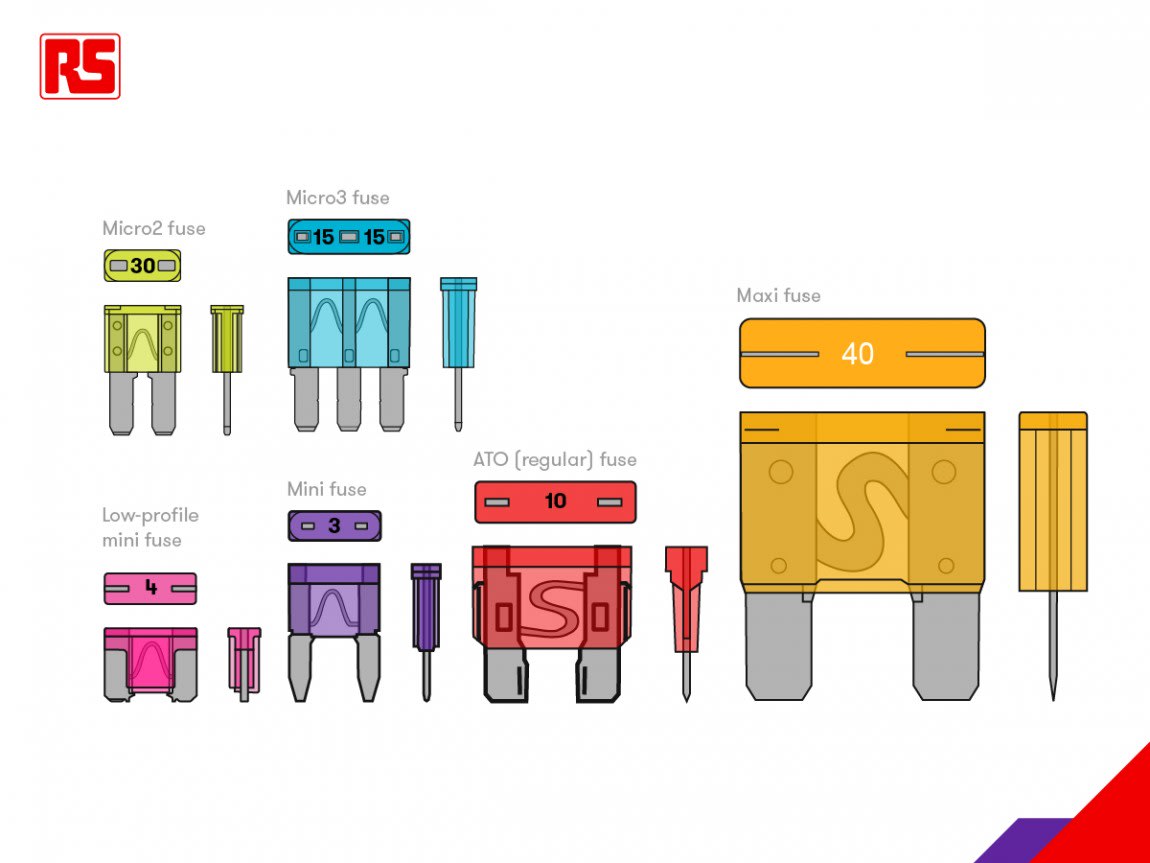
Car fuses come in various types and sizes, each designed for specific applications within a vehicle's electrical system. Understanding the different types of car fuses is essential for maintaining, troubleshooting, and repairing electrical issues in your vehicle.
While the world of automotive fuses is vast, we will primarily focus on the most commonly used fuse types in New Zealand. These include standard blade fuses and mini blade fuses.
Standard Blade Fuses
Standard blade fuses, also known as regular blade fuses, are among the oldest fuse types used in vehicles. They are characterised by their oblong shape and are available in a wide range of amperage ratings.
Mini Blade Fuses
Mini blade fuses, also referred to as automotive mini fuses, are smaller in size compared to standard blade fuses. They are commonly used in modern vehicles for a wide range of applications. Mini blade fuses also come in various amperage ratings to accommodate different electrical components.
Cylindrical Fuses
While not as commonly used in modern vehicles, cylindrical fuses, also known as glass tube fuses, were prevalent in older vehicle models. They have a cylindrical shape and typically feature a glass tube with metal caps on both ends. The fuse element inside the tube is made of a thin wire or metal strip. Cylindrical fuses are available in different amperage ratings.
Different Car Fuses Sizes
Car fuses come in different sizes to accommodate various applications within a vehicle's electrical system. The most commonly used car fuse sizes in New Zealand are standard blade fuses and mini blade fuses.
Both of these types of fuses are available in a range of amperage ratings to suit the specific requirements of different electrical components in a vehicle.
Standard Blade Fuse Sizes
Standard blade car fuses are available in a range of sizes to accommodate different amperage ratings. The sizes of standard blade fuses are typically categorised by their physical dimensions, and the amperage ratings are colour-coded for easy identification.
Mini Blade Fuse Sizes
Mini blade fuses, despite their smaller profile, also come in different sizes corresponding to their amperage ratings. The physical dimensions of mini blade fuses differ based on the current capacity they can handle. The most commonly used mini blade car fuse sizes include:
Micro2
These are the smallest mini blade fuses and are characterised by their compact size and two prongs on each end.
Micro3
Slightly larger than the Micro2 fuses, Micro3 fuses feature a distinctive shape and three prongs on each end.
Low-Profile Mini
Low-profile mini blade fuses are smaller than standard mini fuses, with a more compact profile while still maintaining the same width. They are typically used in applications with limited space.
Mini
The standard mini blade fuses are larger than the other types, with a more traditional fuse appearance. They are commonly employed in various electrical circuits in vehicles.
Amperage Ratings of Mini Blade Fuses
All mini blade fuses, regardless of their physical sub-type, are commonly available in the following amperage ratings:
- 2 Amp
- 3 Amp
- 5 Amp
- 7.5 Amp
- 10 Amp
- 15 Amp
- 20 Amp
- 25 Amp
- 30 Amp