- Published 4 Apr 2024
- Last Modified 31 Mar 2025
- 13 min
Self-Tapping Screws Guide
How to choose the right self-tapping screw for your project? Our guide explains what the different types are, what they are used for, and how to apply them to different surfaces.

What is a Self-Tapping Screw?
Self-tapping screws are different from traditional screws as they tap their own threads when screwed into plastic, wood, or metal. These types of screws are usually split into two variants — thread forming and thread tapping.
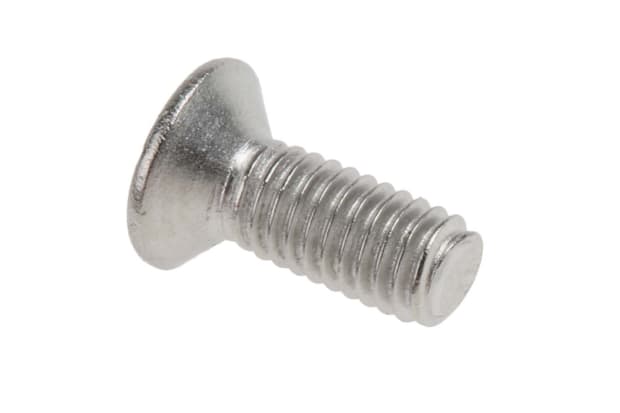
Thread Forming Screws
A thread-forming screw has a specific thread pattern that creates a thread during insertion. As thread-forming screws tap their own thread during assembly, they do not require the hole to be tapped before insertion.
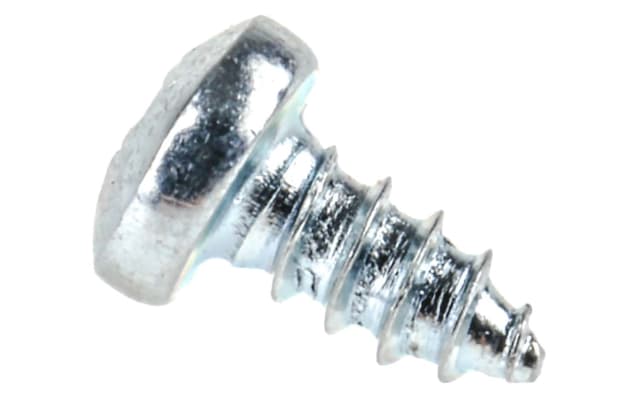
Self-Tapping Screws
Self-tapping screws are commonly used when you need to attach two pieces of material together where you can only access one side of the material. Where you can access both sides, you can use a screw or a bolt. Self-tapping screws are useful when disassembling and reassembling products such as furniture, as they will insert themselves into the same threads they have been removed from.
Popular Types of Self-Tapping Screws

Countersunk or Flat Head Self-Tapping Screws
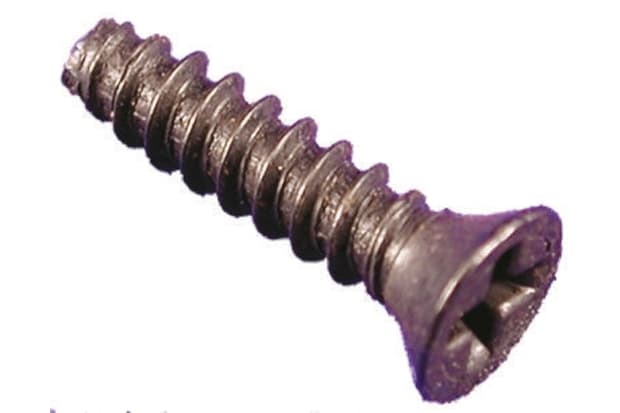
Countersunk or flat head self-tapping screws are designed to sit flush with the material once fully driven in. This ensures a smooth and even surface, making them ideal for applications where a neat, finished look is required. They are commonly used in woodworking and furniture assembly.

Allen or Socket Head Self-Tapping Screws
Allen or socket head self-tapping screws feature a hexagonal recess in the screw head, allowing for a more secure grip when tightening. This design reduces the risk of stripping or distortion, making them more reliable in high-torque applications.

Bugle Head Self-Tapping Screws
The bugle head screw features a countersunk head with a flat top and a concave bearing face. The shape of the bugle head allows the distribution of stress over a much wider area than a flat-head screw. They are typically used to attach plasterboard to wood or metal studs.

Button and Dome Head Self-Tapping Screws
These types of self-tapping screws are typically used in carpentry. Due to the dome shape, there is less chance of screw heads countersinking into the material.

Flange Head Self-Tapping Screws
Flange head self-tapping screws have a built-in washer-like flange that helps distribute clamping force over a larger surface area. This design enhances stability and allows for greater torque, making these screws a popular choice for securing metal-to-metal or plastic-to-plastic connections. As such, they are usually used to attach metal to metal or plastic to plastic.

Hex Head Self-Tapping Screws
Hex head self-tapping screws feature a six-sided head that allows for better grip and torque application, They are typically used by contractors in heavy-duty applications where a countersunk head is unnecessary.

Wafer Head Self-Tapping Screws
Wafer head screws feature a flat top surface and countersunk head. The conical under-head does not extend to the outer edge of the screw head, which allows for a flush fit on wood and other soft materials.

Pan Head Self-Tapping Screws
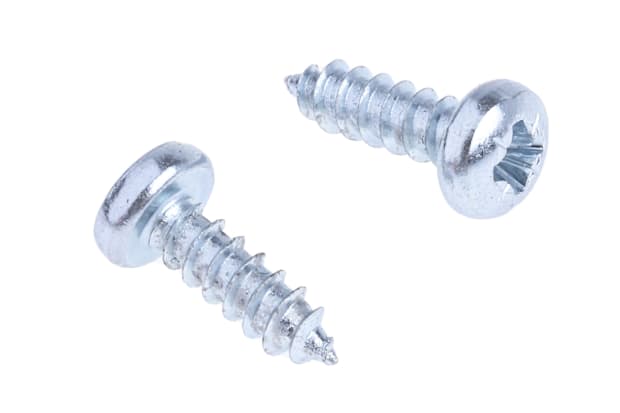
Pan head self-tapping screws have a slightly rounded top with vertical sides, making them an excellent choice for applications that require high torque in metal or wood. Their shape provides increased grip, reducing the chances of stripping the screw during installation.

Pancake Head Self-Tapping Screws
Pancake head self-tapping screws have an extra-wide, low-profile head that helps distribute force over a larger surface area. This design is particularly useful in applications where a large clamping area is required, such as metal framing and panel installation.

Square Head Self-Tapping Screws
Square head self-tapping screws offer a secure grip, reducing the likelihood of cam-out (slippage) during installation. The square recess provides better torque control than traditional Phillips screws, making these screws ideal for applications where precision and strength are essential.

Truss Head Self-Tapping Screws
The truss head self-tapping screw features an extra-wide, slightly rounded top with an increased surface area beneath the head. They are designed to provide greater stability and distribution of pressure, making it ideal for securing sheet metal and materials with large-diameter holes. Additionally, its low-profile dome shape helps deter tampering and makes removal more challenging, enhancing security in various applications.
How to Use Self-Tapping Screws Safely on Different Materials
Knowing how to use self-tapping screws correctly ensures a secure and durable hold across various applications. These are some of the best practices for using them safely on different materials.
Self-Tapping Screws for Aluminium
Aluminium has many positive characteristics that make it easy to work with. When using self-tapping screws on aluminium, choose a self-tapping screw with a drill-like point and sharp cutting blade threads that extend down the whole length of the screw. These self-tapping screws are designed to keep the thin metal from denting.
To use self-tapping screws, place the screw directly on the aluminium sheet. The screw's sharp point will make its own hole. Stabilise the screw so it doesn't tilt as it is put in. Let the screw turn until it goes through. Take care not to over-tighten the screw, as this can damage the metal or break the screw.
The advantage of self-tapping screws for aluminium is that they don't need pre-drilling and are easily removed without damaging the metal. They can also be reused in the same material.
Aluminium in certain applications can vibrate which causes other fastener types to work loose. For example, aluminium is used to build boats. Boat engines cause the boat frame to vibrate, which can result in other fasteners, such as nails or regular screws falling out. Trilobular stainless steel self-tapping screws are ideal in situations where vibration is present as their thread design reduces friction during thread forming whilst providing resistance to vibrational loosening.
Self-Tapping Screws for Plastic
Plastics are more ridged than wood and more prone to cracking. When using self-tapping screws in plastic, it is advised that you drill a pilot hole before screwing in the self-tapping screw. If you are installing hardware such as hinges on plastic, you will want to avoid drilling the pilot hole fully through the material for aesthetic reasons.
UPVC Window Screws
UPVC window screws are available in a variety of lengths but typically come in one diameter (4.8mm gauge). Standard UPVC hardware screws are between 3.9mm and 4.3mm thick. To ensure a tight fit when reattaching window furniture, extra thickness is added to UPVC screws to ensure a secure fit and material for the screw to bite into.
Self-Tapping Screws for Fibreglass
Fibreglass consists of glass fibres embedded in resin. The combination of glass fibres and resin makes for a very strong material. When using self-tapping screws in fibreglass, you will find that the drilling tip of the screw becomes dull quickly as it comes into contact with the glass fibres, which leads to cracking in the glass fibres and the gel coat. To avoid cracking, proper installation techniques must be used.
The Difference Between Self-Drilling Screws and Self-Tapping Screws
Self-tapping and self-drilling screws can easily be confused. However, there is a difference between the two. While both are designed to create secure connections without the need for nuts, bolts, or separate fasteners, their key difference lies in how they penetrate materials. Understanding their unique characteristics enables you to select whether self-tapping screws or self-drilling screws are right for your project, ensuring efficiency and preventing damage to materials.
Self-Tapping Screws
Self-tapping screws do not have an integrated drill bit into the screw, and certain types of self-tapping screws require a pilot hole to be drilled before they can be driven into the material.
Both blunt-nose and flat-ended self-tapping screws require a pilot hole slightly smaller than the screw diameter to be created before they can be driven into the material with a screwdriver. Pointed-nose self-tapping screws do not require pilot holes. The action of driving the screw in will result in the self-tapping screw cutting a thread into the material, and securing the materials together.
Self-tapping screws secure wood, plastic, metal, and brick together.
There are two types of self-tapping screws - thread-forming and thread-cutting.
- Thread-Forming: Before you can use these screws, you will need to drill a pilot hole, as the screw itself does not contain a pointed tip. Thread-forming screws join plastic materials together. Due to their design, they grip materials more tightly. Care should be taken as there is a risk of over-tightening the screw, which can result in the joined materials breaking from the pressure
- Thread-Tapping: These screws do not require a pilot hole, but one can be drilled to make fastening easier. Remember to make the pilot hole smaller than the thread-tapping screw diameter. Thread-tapping screws remove material and create a path for the screw. The drawback to using this type of screw is that when they are removed, it can result in stripped threads. If you experience stripped threads, you should use a larger thread-tapping screw when reattachment is made
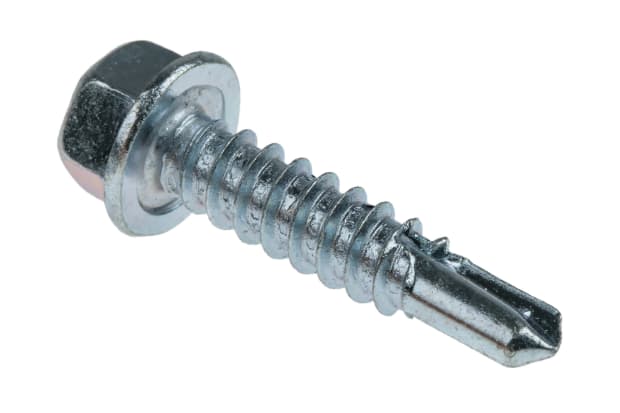
Self-Drilling Screws
Self-drilling screws are commonly used in construction, woodworking, and other applications. What makes them different from self-tapping screws is that they drill their own pilot holes and tap threads simultaneously. They have a drill-like point with flutes or cutting edges that remove the material as the screw is driven in. The drill point creates a hole, and then the screw's threads engage the material, providing secure fastening. Self-drilling screws are ideal for hard materials such as steel, aluminium, or metal alloys.
Anatomy of a Self-Drilling Screw
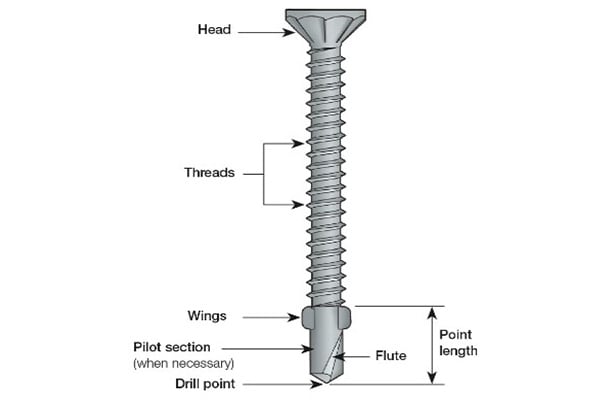
Self-drilling screws are available in the same head and drive types as self-tapping screws. You should select your screw type based on the material and finish you require.
*Please note that wings are only present on Remer Tek screws.
What Should You Consider When Deciding Which Self-Drilling Screw to Use?
These are some of the things you need to consider to determine what type of self-drilling screw you should use.
Flute Length – The length of the flute determines the thickness of the metal that a self-drilling screw can be used on. The flute is designed to extract the drilled material from the hole. Cutting will cease if the flute becomes blocked. Simply put, if you attach thick pieces of material, you will need a self-drilling screw with a flute to match. If the flute becomes blocked and you take no action, the drill point will likely overheat and fail
Drill Point – The drill point refers to the unthreaded section of the screw. When selecting the screw length, you should account for the length of material you are drilling through. If the threads engage before the drill point length is completely through the material, it will result in the screw breaking
Winged and Non-Winged – It is necessary to use self-drilling screws with wings when fastening wood over 0.5 inches thick to metal. The wings will ream a clearance hold and keep the threads from engaging too early. When the wings engage with the metal they will break off, allowing the threads to engage in the metal. If the threads engage too early, this will separate the two materials
Self-drilling screws are susceptible to the same forces as drill bits. Cutting performance is impacted by the speed and depth of the cut. Make sure to select the correct size screw for your application. This will avoid the drill head melting if too much RPM is applied or snapping if too much pressure is applied. A simple rule of thumb is that small diameter screws can take higher RPM, but less force can be used.
Transversely, the larger the diameter, the lower the RPM, but a higher force can be applied.
Self-Drilling Screw RPM and Force Guide
Screw Size | Major Diameter (in.) | RPM | Applied Force (lb.) | Work Material Hardness |
|---|---|---|---|---|
| #6 | 0.138 | 2,200 | 80 | 20 Rockwell "C" -scale |
| #8 | 0.164 | 1,900 | 93 | 20 Rockwell "C" -scale |
| #10 | 0.190 | 1,600 | 104 | 20 Rockwell "C" -scale |
| #12 | 0.216 | 1,400 | 116 | 20 Rockwell "C" -scale |
| #14 | 0.250 | 1,200 | 131 | 20 Rockwell "C" -scale |
| #16 | 0.313 | 1,000 | 157 | 20 Rockwell "C" -scale |
Self-Drilling Screw Troubleshooting Guide
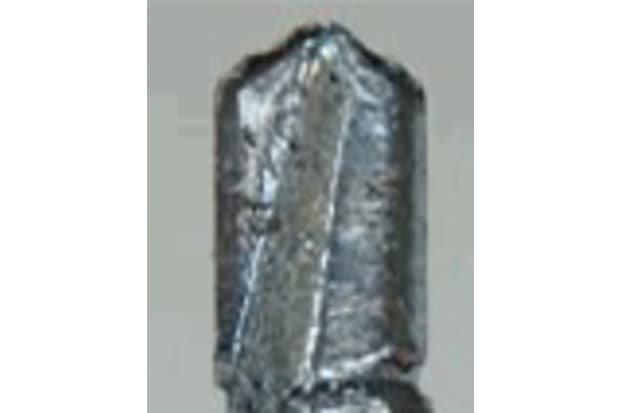
Failure type: Flutes chipped
Cause of failure: Too much force was used when driving the screw in
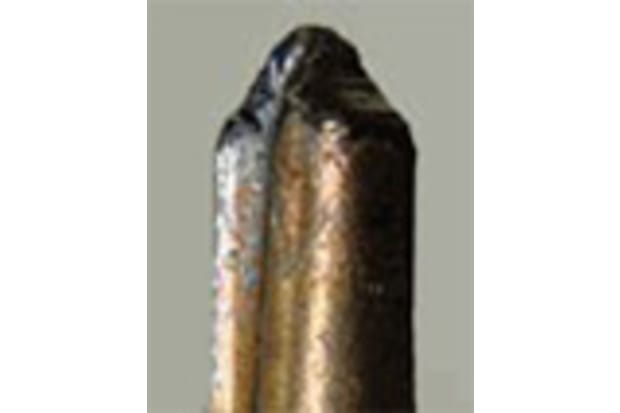
Failure type: Flute melted
Cause of failure: Too many RPMs used or the material was too hard, which resulted in the flute melting
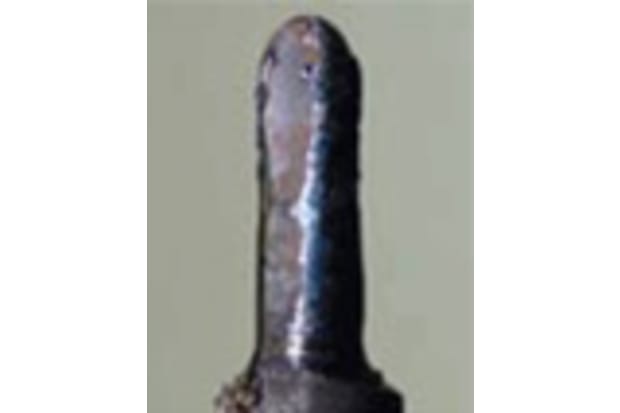
Failure type: Melted point
Cause of failure: Material too hard or too much force has been applied

Failure type: Drill bit split
Cause of failure: Too much force was used when driving the screw in

Failure type: No drilled hole
Cause of failure: Multiple reasons for failure include too hard material, the driver set to reverse, or the drill point is blunt, which could be due to handling or a manufacturer defect
Frequently Asked Questions About Self-Tapping Screws
Related links
- Self Tapping Screws
- Self Drilling Screws
- RS PRO Zinc Plated Steel Pan Head Self Tapping Screw, N°#8 x 1in Long
- Hammond Self Tapping Screw
- RS PRO Bright Zinc Plated Steel Self Drilling Screw No. 10 x 1in Long x 25mm Long
- Bosch Rexroth Plastic Phillips Head Self Tapping Screw, 0.7in Long 18mm Long
- Takachi Electric Industrial Chromate Iron Pan Head Self Tapping Screw, M3 x 8mm Long
- RS PRO Bright Zinc Plated Steel Pan Head Self Tapping Screw, M4 x 0.236in Long 6mm Long