Aux Cables
Aux cables, also known as auxiliary or audio cables, are wired connections used to transmit audio signals between electronic devices. Typically featuring a 3.5mm male stereo jack at each end, one side connects to the audio output of a device, while the other connects to an audio input.
Designed to carry analogue audio signals, aux cables in NZ are commonly used to link mobile devices to car stereo systems, connect computers to external speakers or headphones, or integrate audio equipment in professional setups.
Types / Variants of Aux Cables Offered by RS NZ
RS NZ offers a wide range of aux cables to suit various audio setups and requirements. These cables differ in connector types, orientation, lengths, and materials.
Connector Type Variants
Aux cables come in different connector configurations to match a wide variety of audio devices:
- 3.5 mm stereo jack to 3.5 mm stereo jack (male-male): Standard connection for most mobile devices, computers, and headphones.
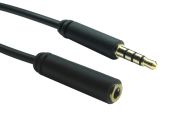
- 3.5 mm stereo jack to 3.5 mm stereo jack (male-female / extension): Extends the reach of existing cables for more flexibility.
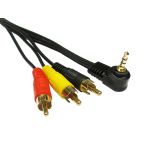
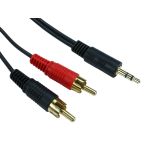
- 3.5 mm stereo jack to RCA (male to RCA): Connects devices with a 3.5 mm output to speakers or amplifiers with RCA inputs.
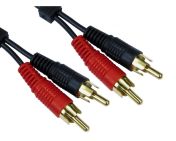
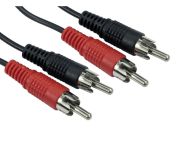
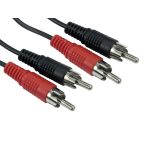
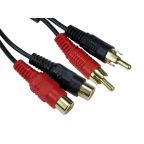
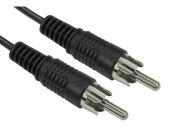
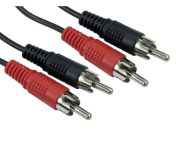
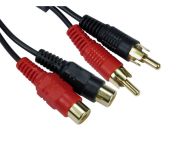
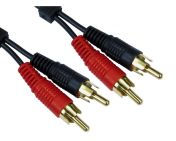
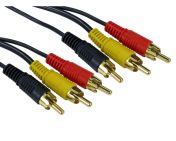
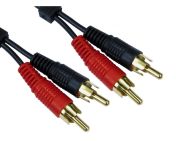
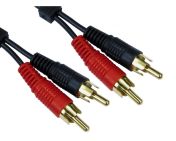
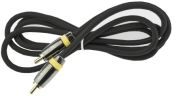
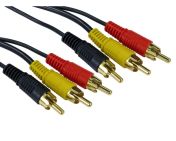
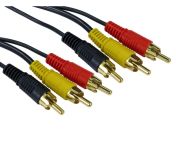
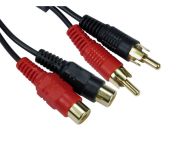
- RCA to RCA (male-male or male-female): This variant of aux cables is ideal for connecting audio components like receivers, amplifiers, or older stereo systems.
- 6.35 mm stereo jack to 6.35 mm stereo jack (quarter-inch): Common in professional audio setups, instruments, and studio equipment.
Orientation / Connector Combinations
Aux cables are available in different connector orientations to suit specific installation needs:
- Straight connectors: Standard plug for direct connections.
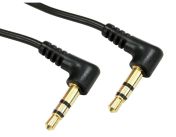
- Right-angle connectors: Useful for tight spaces or devices where straight plugs are impractical.
- Male-female / extension types: One end features a female connector for extending or adapting existing cables.
Length Variants
Aux lines can also come in various lengths to accommodate different setups:
- Short patch / “pigtail” lengths (e.g., 200 mm): Ideal for compact connections or patching nearby devices.
- Mid-length cables (1 m, 2 m, 3 m, etc.): Commonly used for desktop, car, or home audio setups.
- Long runs (5 m, 10 m, 15 m, etc.): Suitable for professional installations, stage setups, or connecting distant equipment.
Sheath / Colour / Material Variants
Aux cables are also available in different sheathing, materials, and colours:
- Standard PVC sheathing (black, white, etc.): Durable and widely compatible for general use.
- Coloured sheaths: Helps with cable identification in complex setups or multi-device environments.
Key Features and Benefits of Aux Cables
Aux cables provide a simple, reliable, and cost-effective way to transmit AV (audio-video) signals between devices. Alongside HDMI connections, they offer a versatile choice for both everyday and professional audio applications.
- Reliable Analog Audio Transmission: Ensures clear sound output from one device to another without complicated setups.
- Compact and Widely Compatible: The 3.5 mm stereo jack is a standard connector, making aux cables compatible with smartphones, computers, car stereos, headphones, and more.
- Low Cost and Easy to Replace: Affordable and widely available, aux cords are easy to swap out if damaged or for upgrading connections.
- Versatility Across Devices: Can connect a variety of audio sources to multiple outputs, including speakers, receivers, and headphones.
- Flexible Lengths and Connector Options: Available in short, medium, and long lengths with straight, right-angle, or male/female connectors to suit different setups.
- Durable Construction and Shielding: Many auxiliary cables include protective sheathing and shielding to prevent interference and enhance longevity.
How to Choose the Right Auxiliary Cables?
Selecting the right aux cord ensures optimal audio quality, durability, and compatibility with your devices. Consider the following factors:
- Connector Compatibility: Ensure the AV aux cable matches the input/output ports on your devices (e.g., 3.5 mm, 6.35 mm, RCA). Using incompatible connectors can lead to poor signal or no connection.
- Length and Signal Loss: Choose a cable length appropriate for your setup. Longer cables can cause minor signal degradation, so select the shortest length that meets your needs.
- Orientation – Right-Angle vs Straight: Right-angle connectors are ideal for tight spaces or behind equipment, while straight connectors are easier to plug in and unplug in open areas.
- Shielding and Quality / Interference Rejection: High-quality shielding reduces electromagnetic interference (EMI) and ensures clear audio without noise.
- Jacket / Sheath Material / Durability: Look for durable materials such as PVC, rubber, or braided sheaths to protect the cable from wear and tear.
- Strain Relief and Flexibility: Cables with reinforced ends and flexible construction prevent damage from bending or pulling, extending their lifespan.
- Use Case Considerations: Consider where and how you’ll use the cable whether in your car, home, or in professional AV setups.
Applications of Aux Cables
Auxiliary cables are versatile and widely used across different audio setups. While aux cords are ideal for everyday connections, coaxial cables are sometimes used alongside them in professional or long-distance audio setups:
- Connecting a Smartphone or Mp3 Player to a Car Stereo: Enables music, podcasts, or other audio to play through the car speakers via the auxiliary input.
- Connecting a Computer to External Speakers or Headphones: Enhances audio output for a better listening experience or private listening without relying on built-in speakers.
- Connecting Portable Audio Devices to Speakers: Allows devices like iPods, MP3 players, or portable CD players to connect to external speakers for amplified sound and improved audio quality.
- Connecting Audio Devices to Powered Speakers: Provides a direct audio connection from smartphones, tablets, or media players to powered speakers such as studio monitors or computer speakers.
- DJ Setups: Used by DJs to connect mixers or DJ controllers to amplifiers, speakers, or headphones, ensuring high-quality audio output from multiple sources.
How to Order Aux Cables from RS New Zealand
Find the right auxiliary cables for your audio setup at RS NZ. We are a trusted supplier of high-quality aux cables from leading brands like Re-An Products, StarTech.com, Switchcraft, as well as our own RS PRO. Discover our full online selection to find the perfect aux cables, audio cables, HDMI cables, and more for personal, professional, or automotive audio applications.
Ordering is simple. Just select the products you need, add them to your cart, and complete your purchase through our secure online checkout. We provide multiple payment options for convenience, and detailed information on shipping times, costs, and service coverage across New Zealand is available on our Delivery Information page.
Related links
- Optical Audio Cable
- Cable Power Male 3.5 mm Stereo Jack to Male RCA Auxiliary Cable 3 m CPAL010-3M-RS
- StarTech.com Male 3.5 mm Stereo Jack to Male RCA x 2 Auxiliary Cable 900 mm MU3MMRCA
- RS PRO Male 3.5 mm Stereo Jack to Male 3.5 mm Stereo Jack Auxiliary Cable 15 m
- RS PRO Male 3.5 mm Stereo Jack to Male RCA x 3 Auxiliary Cable 1.8 m
- RS PRO Male Male to Male Male Auxiliary Cable 2 m
- RS PRO Male RCA to 3.5 mm Stereo Jack Auxiliary Cable 1 m
- RS PRO RS PRO Male 3.5 mm Stereo Jack to Female 3.5 mm Stereo Jack Auxiliary Cable 5 m