Hook Up Wire
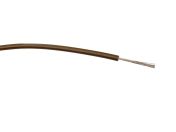
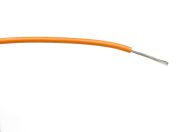
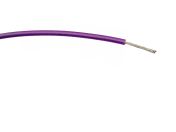
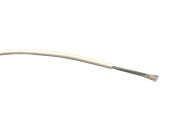
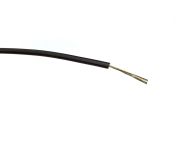
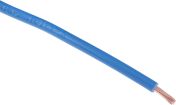
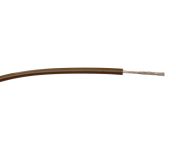
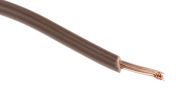
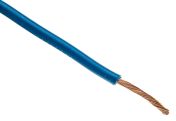
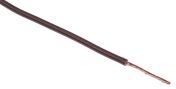
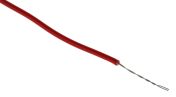
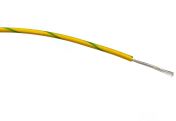
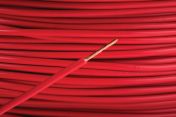
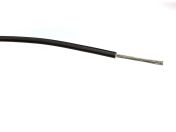
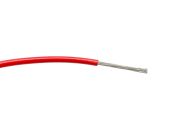
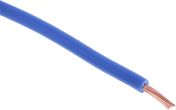
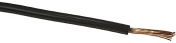
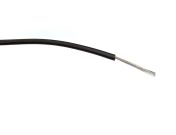
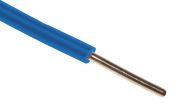
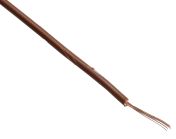
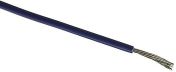
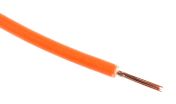
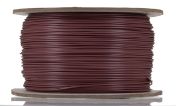
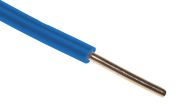
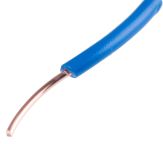
Hook-up wire is a term commonly used in electronics and electrical engineering to refer to insulated electrical wires that are used for various electrical connections. These wires typically have a solid or stranded core made of materials like copper or aluminum and are covered with a protective insulating material, such as PVC (polyvinyl chloride) or Teflon (PTFE). The insulation is colour-coded to indicate the wire's purpose and to help with proper identification in electrical circuits.
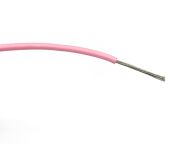
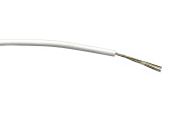
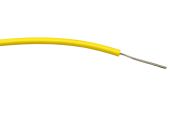
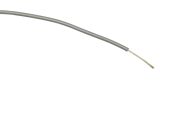
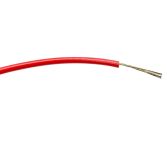
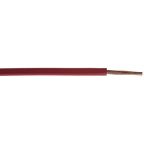
Hook-up wire is available in various gauges (wire diameters) to suit different applications, and it comes in different colours to facilitate organization and identification within electrical circuits. The colour coding often follows industry standards or specific conventions, such as red for positive (+) connections and black for negative (-) connections in direct current (DC) circuits.
When working on electrical or electronics projects, it's important to choose the appropriate gauge and type of hook-up wire for your specific application to ensure safety and proper functioning of the circuit.
What are the types of hook up wire?
Here are some common types of hook-up wire:
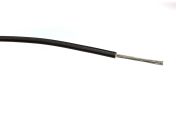
- Single Conductor Wire: This is the most basic type of hook-up wire, consisting of a single insulated conductor. It's suitable for general-purpose use and available in various gauges and insulation materials.
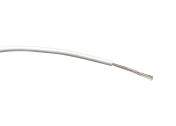
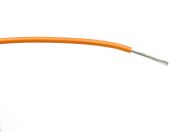
- Stranded Wire: Stranded hook-up wire is made up of multiple smaller strands of wire twisted together. This construction makes it more flexible and suitable for applications where the wire may need to bend or flex.
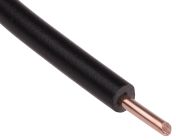
- Solid Wire: Solid hook-up wire consists of a single, solid conductor. It's less flexible than stranded wire but is preferred in situations where minimal signal loss or resistance is crucial, such as in high-frequency applications.
- Shielded Wire: This type of wire has an additional layer of shielding, typically made of metal, around the insulated conductor. Shielded wire is used to protect against electromagnetic interference (EMI) and radio frequency interference (RFI). It's commonly used in audio and communication applications.
- High-Temperature Wire: For applications where extreme heat resistance is required, high-temperature hook-up wire is used. These wires are designed to withstand temperatures significantly higher than standard wire.
- Multi-Conductor Cable: While not technically a type of hook-up wire, multi-conductor cables consist of multiple insulated conductors bundled together within a single cable.
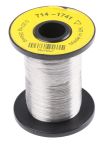
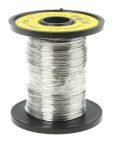
- Specialty Wire: Some applications require specialty hook-up wire, such as magnet wire (enamel-coated wire used in electromagnets and transformers) or automotive-grade wire (designed for use in vehicles).
- Harsh Environment Wire: refers to electrical wiring and cables designed specifically for use in extreme or challenging environmental conditions. These conditions can include exposure to high temperatures, moisture, chemicals, physical abrasion, and other harsh factors that standard wires may not withstand.
Typical Applications
These wires are used in a wide range of applications, from simple breadboard prototypes to complex electronic devices.
- Internal Wiring of Appliances
- Automotive Applications
- Robotics and Automation
- Aerospace
- Medical






Related links
- RS PRO Black 0.2 mm² Hookup & Equipment Wire 7/0.20 mm PTFE Insulation
- Kabeltronik YV Series Red 0.2 mm² Equipment Wire 100m 070105008
- Kabeltronik LIYV Series White 0.7 mm² Equipment Wire 24 X 0.20 mm PVC Insulation, 060107501
- Alpha Wire Hook-up Wire TEFLON Series Green 0.96 mm² PTFE Equipment Wire 19/0.25 mm PTFE Insulation,
- Alpha Wire Hook-up Wire TEFLON Series Purple 0.62 mm² PTFE Equipment Wire 19/0.20 mm PTFE Insulation,
- Alpha Wire Hook-up Wire TEFLON Series Orange 0.06 mm² PTFE Equipment Wire 7/0.10 mm PTFE Insulation,
- Alpha Wire Hook-up Wire TEFLON Series Orange 0.09 mm² PTFE Equipment Wire 7/0.13 mm PTFE Insulation,
- Alpha Wire Hook-up Wire TEFLON Series Yellow 0.09 mm² PTFE Equipment Wire 7/0.13 mm PTFE Insulation,