Solder
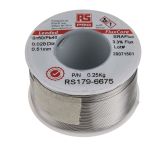
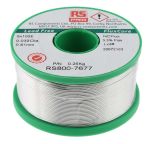
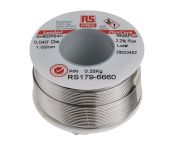
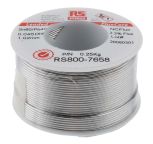
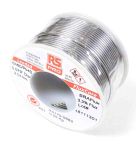
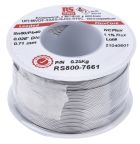
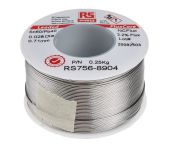
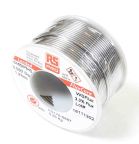
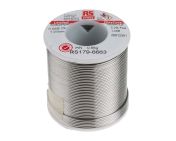
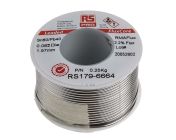
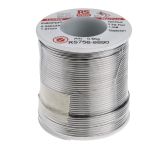
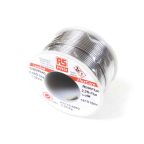
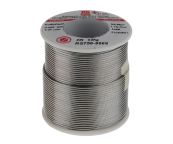
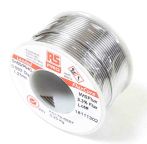
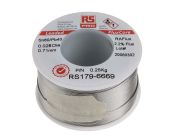
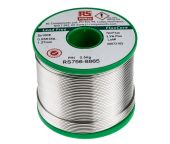
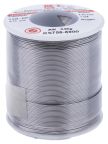
Solder, often referred to as solder wire, soldering wire or electrical solder, is a fusible metal alloy with a low temperature melting point used to permanently join two metals that have a higher melting point. Soldering is a process commonly used in the electronics industry for PCBs and electronics components, jewellery manufacturing and pipework in plumbing, with the majority of soldering carried out through the use of a soldering iron.
What is Solder Made Of?
The alloys used in solder vary depending on the manufacturer and the intended application, as different applications require different materials.
Traditional soft tin solder is commercially available at varying concentrations of tin, ranging from 5% to 70%. Higher percentages of tin provide greater tensile strength, with a 60/40 balance being a popular composition.
Lead-free solder is also widely used in consumer electronics as it has a lower melting point than lead-based alloys, making it less hazardous. Lead-free solder wire may contain copper, zinc, tin, silver, bismuth, antimony and/or traces of other materials depending on its intended use.
What is Flux?
In order to prevent the oxidation of the metal alloy and ensure a strong electrical connection and high mechanical strength, soldering wire contains a flux, which can be made of different materials. A flux is a chemical agent that will help to reduce metal oxides (return oxidised metals to their original state) and seal out air from the joint, preventing any further oxidation.
Flux can be made from various materials, with different types suited for specific applications:
- Acid/Active Flux: This type contains strong acids and is typically used in more robust applications such as plumbing and general metal mending.
- Rosin/Passive Flux: Commonly found in electrical solder, this type is milder and primarily used in electronics for delicate components and PCBs, where residue non-conductivity is important.
What Forms of Solder Are There?
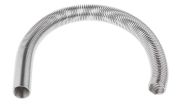
The majority of solder comes in wire form, with a range of wire diameters available to suit various applications and joints. Solder granules are ideal for soldering machines and tinning crucibles, but these small pellets of solder are popular for jewellery making too.
Paste solder is ideal for use in printed circuit boards (PCBs) and connecting surface mount electronic components. It is a sticky paste which is applied to a board by printing or painting.
Types of Solder
There are two main types of solder wire with different compositions and suitability for different applications.
Lead-Free Solder Wire
Lead-free solder, or lead-free silver solder, is an environmentally conscious alternative designed to reduce hazardous materials. These alloys, often made of tin, copper, and silver, typically have a slightly higher melting point than traditional solders but are essential for modern electronics due to regulations.
Traditional (Lead-Based Solder Wire)
Traditional solder wire, often referred to as tin solder contains lead (typically from 0% to 70% content) and is known for its lower melting point and excellent wetting properties. While still used in some applications, its use is diminishing, especially for new electronic consumer goods.
Factors to Consider While Choosing the Right Solder Wire
Choosing the appropriate solder wire is crucial for achieving high-quality, reliable solder joints in any application. Careful consideration of several key factors will guide you to the optimal choice for your specific needs.
- Alloy Composition: The specific metals within the solder alloy, such as tin solder (e.g., tin-lead, tin-silver-copper), dictate its melting point, strength, electrical conductivity, and wetting characteristics.
- Lead-Free Alloys: Given current environmental regulations and health considerations, decide if you need a lead-free solder as an environmentally-friendly option in place of lead-based alternatives.
- Wire Diameter: The diameter of the solder wire directly impacts the amount of solder dispensed and its suitability for various component sizes, with finer gauges preferred for delicate electronics work and thicker gauges for larger connections.
- Flux Type: The type of flux integrated into the soldering wire (e.g., rosin-based for electronics, acid-based for plumbing) is crucial for proper cleaning and preventing oxidation, ensuring a strong and reliable bond.
Industrial Applications of Electrical Solder
Electrical solder and solder wire are indispensable in a multitude of industrial sectors, providing critical, durable electrical and mechanical connections.
- Electronics Manufacturing: Lead-free solder is essential for assembling printed circuit boards (PCBs) and connecting sensitive electronic components, ensuring robust and reliable electrical pathways in devices.
- Automotive Industry: Both tin solder and lead-free solder is used extensively for soldering wiring harnesses, electronic control units (ECUs), and sensor connections, vital for vehicle performance and safety.
- Telecommunications: Soldering wire is key in joining fine wires and components in communication infrastructure, including network equipment and fiber optic connections, where signal integrity is paramount.
- Aerospace & Defense: Solder wires are employed in high-reliability applications for avionics, satellite systems, and military equipment, requiring exceptionally strong and stable electrical joints that withstand extreme conditions.
- Medical Devices: Lead-free solder is crucial for connecting miniature components in medical instruments and implants.
- Renewable Energy: Applied in the assembly of solar panels and power inverter systems, where efficient electrical connections are necessary for energy generation and distribution.
- Industrial Controls & Automation: Used in the production of control panels, sensors, and robotics, ensuring seamless data flow and operational reliability in automated systems.
- Appliance Manufacturing: Integral to the assembly of consumer and commercial appliances, forming electrical connections in refrigerators, washing machines, and ovens for dependable long-term use.
Explore Tin Solder and Lead-Free Solder at RS NZ
For all your soldering needs in New Zealand (NZ), RS is your trusted supplier and distributor of high-quality solder wire, encompassing both traditional tin solder and modern lead-free solder. We carry a wide range of solder in a variety of wire diameters and lead content from leading brands like Multicore, Weller, MG Chemicals and many more. Besides solder wire, we also carry related components like soldering irons, soldering iron tips as well as desoldering tools.
To learn more about our delivery options across New Zealand and associated fees, please visit our dedicated delivery page.