Routers
A router is a networking device that connects multiple devices to the internet and forwards data packets between networks. It acts as the central point of a home, office, or industrial network, directing traffic to the correct destination in NZ.
An internet connection enters a building through a modem, which receives the service from your provider. The modem passes the connection to the router, which distributes it to devices. Each data packet contains an IP address that tells the router where it should be sent, ensuring emails, web pages, and other online content reach the right device.
Routers can be wired, wireless Wi-Fi, or hybrid modem-router combinations. Wired routers use Ethernet cables for stable, high-speed connections, while wireless routers allow devices to connect via Wi-Fi. Hybrid units combine both modem and routing functions in one device.
Home and small office routers in NZ manage local internet access, while enterprise routers handle larger data volumes and connect multiple sites across Wide Area Networks.
How Routers Work
Routers receive an internet signal from a modem and distribute that connection to multiple devices within a network. Once the modem establishes the connection with your internet service provider, the router takes over, directing data to computers, printers, smartphones, and other connected equipment. This distribution can take place through wired Ethernet ports for stable, high-speed performance, or wirelessly via Wi-Fi for greater flexibility and mobility.
To ensure information reaches the correct destination, routers use IP addressing and internal routing tables. Every device on a network has a unique IP address, and the router analyses incoming and outgoing data packets to determine where they should be sent.
Wireless routers broadcast signals over common frequency bands such as 2.4 GHz and 5 GHz, enabling compatible devices to connect without physical cables while maintaining reliable network performance.
Types of Routers
Wi-Fi Routers
Wi-Fi routers provide wireless network connectivity, allowing devices to connect to the internet without cables. They broadcast signals over standard frequency bands such as 2.4 GHz and 5 GHz, offering a balance between coverage and speed for home and office environments.
Modem Routers
Modem routers combine a modem and router in a single device. They receive the internet signal from the service provider and distribute it to connected devices, reducing the need for separate networking hardware and simplifying installation.
4G/5G Cellular Routers
Cellular routers use mobile network connections instead of fixed broadband lines. They are useful in remote locations, temporary sites, or backup networking scenarios where traditional internet infrastructure is unavailable.
Industrial & IoT Routers
Industrial and IoT routers are designed for robust, high-reliability networking in manufacturing, automation, and connected device environments. They support secure data transmission and remote monitoring for industrial applications.
Wired Routers
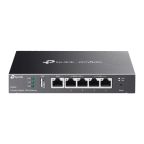
Wired routers distribute internet connections via Ethernet cables, providing stable and high-speed performance. They are commonly used in environments where consistent connectivity and minimal latency are essential, such as offices and data networks.
Key Benefits of Using a Router
Routers provide essential networking advantages that improve connectivity, security, and performance. Key benefits include:
- Shared Internet Access: Routers allow multiple devices to use the same internet connection simultaneously.
- Wireless Connectivity: Enables Wi-Fi access for laptops, smartphones, and IoT devices without cables.
- Security & Control: Built-in firewalls and network management features help protect data and regulate access in NZ.
- Flexible Deployment: Suitable for homes, offices, and industrial networks with scalable configurations.
- Performance Options: Supports wired Ethernet and dual-band Wi-Fi for reliable and high-speed connections.
How to Choose a Wi-Fi Router
When selecting a Wi-Fi router, consider the following factors to ensure optimal performance and suitability for your network:
- Usage Requirements: Home, office, or industrial networks may require different performance and coverage levels.
- Internet Speed Support: Ensure the router supports your internet service speed (3G, 4G, or 5G) to avoid bottlenecks.
- Wireless Standards & Range: Modern routers supporting dual-band Wi-Fi and current standards provide better coverage and reliability.
- Number of Devices: Choose a router capable of handling all connected devices without degrading performance.
- Security Features: Look for encryption and authentication features such as WPA security to protect network access.
- Connectivity Options: Consider routers with both wired Ethernet and wireless capabilities for flexible networking.
- Durability & Use Case: Industrial or high-demand environments may require rugged or high-performance routers.
Common Router Use Cases
Routers support a wide range of networking applications across homes, businesses, and industrial environments. Typical use cases include:
- Home Networking: Provides shared internet access for multiple devices such as smartphones, laptops, and smart home equipment.
- Small Office & Business: Supports secure networking for employees, printers, and cloud services.
- Remote Connectivity: Enables remote access to networks and services, allowing users to connect from different locations while maintaining secure communication.
- IoT & Automation: Connects smart sensors, industrial devices, and automation systems for real-time data exchange and remote monitoring in IoT applications.
- Backup & Redundancy: Cellular routers and hybrid solutions provide backup internet connections.
- High-Performance Environments: Advanced routers with dual-band Wi-Fi and wired Ethernet support high-speed data transfer for demanding applications such as video conferencing and data-intensive operations.
How to Order Routers in New Zealand
Find and buy the right router in NZ for home, business, or industrial networking applications. Choose from trusted brands such as Teltonika, Phoenix Contact, and MOXA to ensure reliable performance and connectivity. Browse our online selection to source routers, ethernet switches, and fibre optic cables for all your communication needs.
Ordering is simple. Select the router type, wireless standard, and performance features you require, add it to your basket, and complete your purchase securely online. For full details on delivery times, shipping costs, and service coverage in New Zealand, refer to our Delivery Information page.



Popular Searches
Related links
- D-Link 150Mbps 4G/LTE Mobile Router 1 4G LTE, WiFi 2.4GHz
- WiFi Adapters
- Wireless Access Points
- Phoenix Contact 100Mbps TC ROUTER 4202T-4G EU WLAN 4G LTE, WiFi 5GHz
- Phoenix Contact 150Mbps TC ROUTER 4202T-4G EU WLAN 2 WiFi, 4G LTE 5GHz
- D-Link 6Gbps M60 4 Mesh, WiFi 5GHz
- Teltonika RUTM52 IEEE 802.3
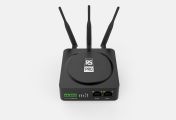
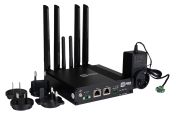
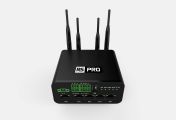
- RS PRO 300Mbps 4G IOT Router 2 WiFi, 4G 2.4GHz