Car Fuses
Car fuses, also called automotive fuses, are essential electrical safety devices used to protect various circuits in a vehicle from damage caused by excessive current flow. These small, low-cost components are specifically engineered to 'blow' or interrupt the circuit when an overcurrent event, such as a short circuit or overload, occurs.
The primary purpose of a car fuse is to protect the vehicle's electronics, wiring, and integrated systems. With an increasing amount of electronics incorporated into each car, fuses are vital to safeguard drivers and passengers. This guide provides a detailed technical overview of different types, including blade fuses, mini blade fuses, and micro car fuses, and their specific applications.
Types of Car Fuses Offered by RS
Blade Fuses
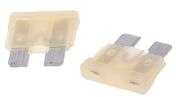
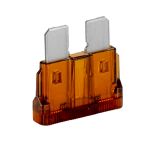
Blade fuses are the most prevalent type of automotive fuse in modern vehicles. They feature a plastic body and two male terminals (blades) that insert into a corresponding female socket in a fuse block or holder. Their 'push-in' design facilitates easy installation and replacement. Blade fuses are distinguished by a standardised colour-coding system, which directly corresponds to their current rating, allowing for quick visual identification.
They are available in several physical sizes to accommodate different current and space requirements.
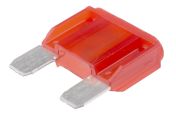
- Maxi Blade Fuses (APX Fuses): These are the largest blade fuses, rated for high-amperage, heavy-duty applications such as protecting high-power electric motors or ancillary systems.
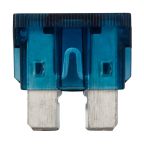
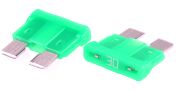
- Regular Blade Fuses (APR, ATC, ATO Fuses): This is the most common size, used for a wide range of low-voltage applications within the vehicle's main electrical systems.
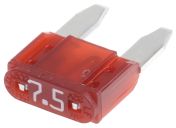
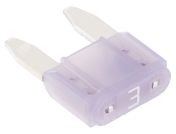
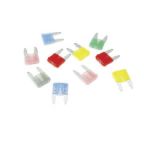
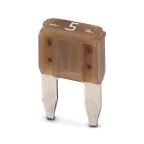
- Mini Blade Fuses (APM, ATM Fuses): Smaller than regular fuses, they offer a similar amperage range but are used in compact fuse blocks where space is at a premium.
- Micro Blade Fuses: The smallest variant, these fuses are used in high-density, low-power applications and are available with two or three terminals.
Bosch (Ceramic/Torpedo) Fuses
Bosch fuses are commonly known as ceramic or torpedo fuses. Similar to other legacy fuse types like bottle fuses, these torpedo fuses are valued for their role in older vehicle restorations. They consist of a ceramic or Bakelite body with a central metallic element that melts under overcurrent conditions. While largely replaced by blade fuses in new vehicle designs, they remain critical for classic car restoration and maintenance.
Link Fuses
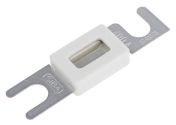
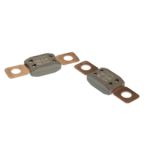
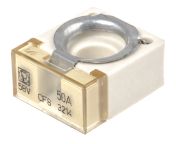
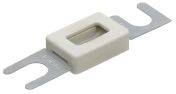
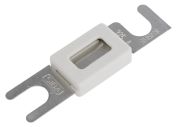
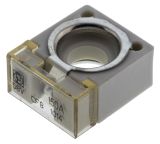
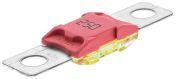
Link fuses are designed for high-current, high-power applications where a rapid disconnect is not required but sustained protection is necessary. They are typically bolted into place rather than plugged in, ensuring a robust connection. Link fuses are available in different forms, including strip links and larger 'midi' or 'mega' fuses, which are often used to protect the main power distribution lines from the battery to the fuse box.
Features to Consider When Choosing Automotive Fuses
Selecting the correct automotive fuse is critical for ensuring circuit protection and system reliability. Key considerations include.
Determine Fuse Type
Identify the correct physical fuse type based on the vehicle's fuse block design. This could be a blade, torpedo, or link fuse. Using an incorrect fuse type can lead to poor contact, intermittent circuit operation, or inadequate protection.
Amperage Rating
The fuse's amperage rating must match or slightly exceed the normal operating current of the circuit it protects, but must be less than the maximum current the wiring and components can safely handle. Using a fuse with an incorrect amperage rating can compromise safety (if too high) or lead to nuisance blowing (if too low).
Physical Fit (Regular, Mini, Micro, Maxi)
Choose the correct physical size to ensure proper mechanical and electrical connection within the fuse holder. The size is determined by the fuse block's form factor.
Consider Spare Availability
Maintain an inventory of spare fuses of various types and ratings. This is a crucial consideration for technicians and drivers to facilitate rapid repairs in the event of a fuse blowing while on the road or during maintenance.
Applications of Automotive Fuses
Automotive fuses are ubiquitous throughout a vehicle's electrical system, providing protection for virtually every circuit. Their application spans critical safety systems to driver comfort and convenience features.
- Lighting Circuits: Fuses protect headlamps, tail lamps, brake lights, and interior lighting from overcurrent, preventing wiring damage and ensuring visibility.
- Infotainment & Accessories: Audio systems, navigation units, USB charging ports, and auxiliary power outlets are all fused to safeguard their sensitive electronics from voltage spikes and short circuits.
- Climate Control & Comfort Systems: Fuses are used for circuits powering the HVAC blower motor, air conditioning compressor clutch, heated seats, and other climate control components.
- Safety & Control Systems: Critical safety systems like the Anti-lock Braking System (ABS), airbags, and Engine Control Unit (ECU) have dedicated fuses to ensure their uninterrupted and safe operation.
- Electric Windows, Mirrors & Locks: Fuses protect the motors and control modules for power windows, side mirrors, and central locking systems from mechanical overloads or electrical faults.
The Leading Supplier and Distributor of Car Fuses in New Zealand
At RS, we are your dependable source for high-quality car fuses. Our extensive range includes top brands like Littelfuse, Wickmann, and Eaton, offering a variety of types and ratings to suit your specific needs. Whether you’re looking for blade fuses, glass tube fuses, or automotive fuse blocks, we have the perfect solution for your application, all at competitive prices.
In addition to car fuses, we also provide other essential automotive accessories, such as fuse holders, automotive relays, and wiring kits, to ensure your vehicle’s electrical systems are running smoothly. Shop for your automotive fuses and related products online today. For more information on our ordering process, delivery options, and shipping fees, please visit our delivery page.



Popular Searches
Related links
- Cartridge Fuses
- A Comprehensive Guide to Car Fuses Types How to Check & Replace Them
- Littelfuse 10A Red Blade Car Fuse, 32V dc
- RS PRO 20A Yellow Blade Car Fuse, 32V dc
- Eaton 40A Orange Blade Car Fuse, 32V dc No
- Eaton 2A Grey Blade Car Fuse, 32V dc
- Eaton 2A Grey Blade Car Fuse, 32V ac/dc
- RND 5A Orange Automotive 32V No