- Published 7 Mar 2023
- Last Modified 26 Mar 2025
- 10 min
A Complete Guide to Chisels
Our guide explains the parts of a chisel, various types of chisel, what they are used for, and how to use a chisel safely.

What Are Chisels and What Are They Used for?
Chisels have been used in various forms for thousands of years. However, despite the variety of different types, the basic use of a chisel remains the same.
This type of hand tool features a distinctive cutting edge which is purpose-made for carving and cutting hard materials such as wood, stone, and metal. Chisels are key components in many workshops and tool kits and they are most commonly used in woodworking and masonry applications by professionals and hobbyists alike.
What Are Chisels Made of?
Chisels can be made from a wide range of materials including chrome, vanadium, steel and forged steel.
Smaller chisels are particularly well-suited to intricate woodworking, and are commonly used when craving traditional Maori designs or creating delicate joinery. Larger chisels are better suited for heavy-duty tasks, like shaping large timbers or removing thick layers of wood.
Parts of a Chisel
Chisels consist of several key parts—the blade, bevel, handle, and ferrule— each contributing to their functionality and effectiveness. These parts can be shaped differently to achieve different results.
- Blade: The long, flat metal part of the chisel that cuts and shapes the material. The blade's shape and size vary depending on the type of chisel and its intended use.
- Bevel: The angled edge at the tip of the blade. It forms the cutting edge of the chisel and is responsible for separating the material. The angle of the bevel varies depending on the chisel's purpose, with steeper angles for heavier cuts and shallower angles for finer work.
- Handle: The handle provides a grip for the user and allows for controlled manipulation of the chisel. Handles can be made from various materials, including wood, plastic, or composite materials.
- Ferrule: The ferrule is a metal band that reinforces the connection between the handle and the blade. It helps prevent the handle from splitting or cracking under the impact of repeated strikes.
Different Types and Uses of Chisels
There are multiple different types of chisel, each best suited to varying applications. We have detailed some of the most common chisel types below.
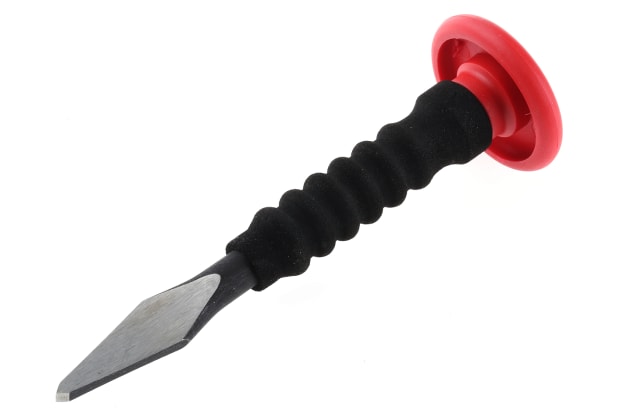
Cold Chisels
Made from tempered steel, cold chisels are specifically made for cutting cold metals—metals which are not heated with heating torches, forges, or other devices. These chisels are commonly used in metal fabrication and construction, where industries like manufacturing, engineering, and construction rely on them for shaping and cutting metal components.
As cold chisels are used in the formation of metal, they have a less acute angle to the sharp section of the blade than a standard woodworking chisel. This makes the cutting edge is strong but not as sharp, ideal for withstanding the force required to cut through metal.
Most cold chisels are made from steel, but some are manufactured from beryllium copper, particularly in preparation for situations involving the use of non-sparking tools, such as in the presence of flammable materials or explosive atmospheres.
The principal types of cold chisel include:
Flat Chisel
Flat chisels are most commonly used variety for cutting bars and rods to reduce surfaces and cut sheet metal. They are also used to remove excess material and create smooth surfaces. The wide, flat blade provides stability and control during cutting.
Cross Out Chisel
Cross-cut chisels, also known as cape chisels, are purpose-made for cutting grooves and slots, and keyways in metal. They feature a narrow blade positioned directly behind the cutting edge for precise cuts and clean edges..
Round Nose Chisel
Round nose chisels are used for cutting semi-circular grooves and channels in metal. They are commonly used for creating oil ways in bearings or for shaping rounded edges.
Diamond Point Chisel
Diamond point chisels have a pointed tip that is ideal for removing unwanted materials and debris from corners and other hard-to-access areas. They are also used for cutting V-shaped grooves and for light demolition work.
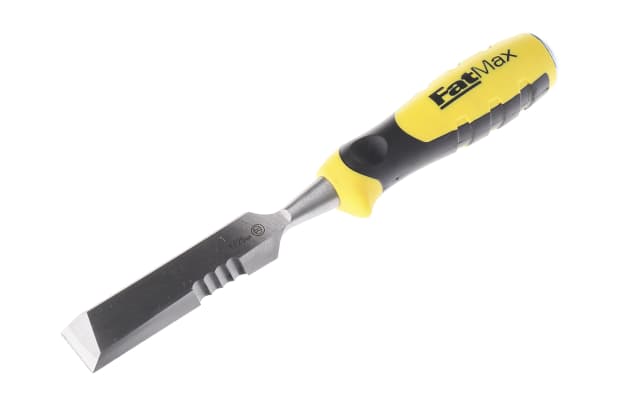
Woodworking Chisels
Woodworking chisels can be used in various applications from fine furniture making to crafting intricate Māori carvings. However, care should be taken as there are multiple subtypes of woodworking chisel available and it is important to select the right type for your requirements.
Smaller varieties of woodworking chisel are ideally suited to crafting intricate wood detailing and fine joinery. Larger tools are better suited for heavy-duty work, and preferred for shaping large wooden beams or removing thick layers of wood.
It is common for tools of varying sizes to be used on a single project. Larger chisels may be used initially for rough shaping, followed by smaller chisels for finer details and finishing work. Additionally, firm chisels can be used for working into a pocket of wood. These chisels feature 90-degree flat sides and are ideally suited to honing into tight areas.
Consider choosing woodworking chisels featuring handles with metal striking caps for extended life and resistance to repeated strikes. Bench chisels are among the most commonly used varieties, while socket handle chisels are more durable and can sustain heavy blows without incurring damage. If you are working with either socket or tang-handled chisels, you should make sure to use an appropriate mallet—in this case, a wooden mallet—for striking the chisel, as it provides better control and reduces the risk of damaging the chisel handle.
Some of the principal types of woodworking chisel include:
Bench Chisels
Bench chisels are versatile and commonly used for a wide range of woodworking tasks, including chopping, paring, and shaping wood. They are typically kept within easy access on the workbench for chopping and paring wood.
Mortise Chisels
Mortise chisels have thick, rigid blades which are ideal for making rectangular or square holes used to join pieces of wood, also known as ‘mortises’. Their robust construction allows for precise and deep cuts, making them essential for joinery work.
Paring Chisels
These chisels are typified by their long blades which are ideal for fine woodworking and delicate tasks. They are used for trimming joints, cleaning up surfaces, and removing thin shavings of wood with precision.
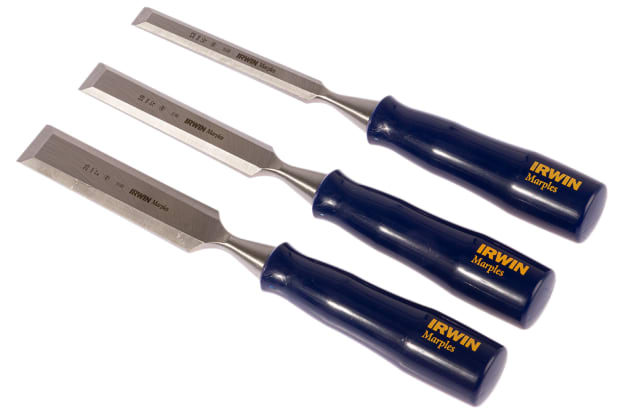
Concrete Chisels
Concrete chisels are commonly used to make precision cuts through concrete. These chisels typically feature a handle and a strong bevelled edge blade which will cut through concrete with the application of force from a hammer or mallet.
How to Use a Concrete Chisel
The procedure for chiselling concrete is as follows:
- Loosely grip the chisel, carefully positioning the point against the area of concrete you want to extract.
- Firmly grip a small sledgehammer or mallet and tap the head of the chisel with reasonable force. Continue using the point of the chisel to chip away the concrete.
- Position the chisel so the full width of the blade rests against the concrete, with the bevel parallel to the surface.
- Continue striking the head of the chisel with the hammer or mallet until the desired amount of concrete has been extracted.
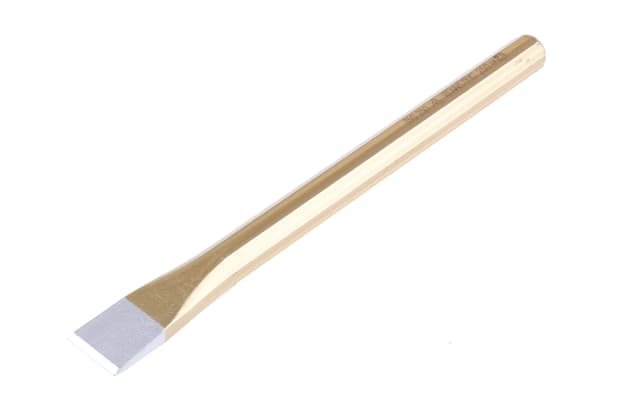
Brick Chisels / Bolster Chisels
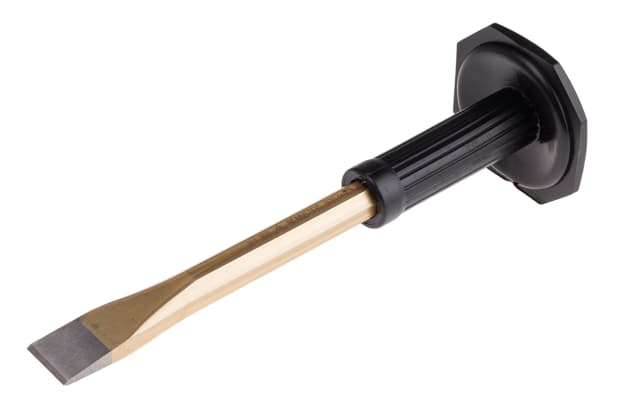
Brick chisels, also known as bolster chisels, are specifically designed for cracking rather than cutting through hard materials. They feature a wide blade that allows for the effective cracking of wide surfaces such as masonry blocks.
These chisels are relatively easy to use, provided that the blade is kept flat during the cracking process. Although this isn’t always the case, they commonly feature moulded handguards, meaning that they can be held securely when in use.
Masonry Chisels
Mason’s chisels are ideal for cutting bricks, cement blocks, and cinders. They can also be used for applications such as removing excess mortar. Stonemasons’ chisels feature dull heads for breaking and wedging materials. This type of chisel also includes a handle to protect the user, as these tools are relatively heavy.
Masonry chisels are often attached to hammer drills or jackhammers and used in the process of demolition. Hydraulic rams or falling weights may be used for heavy-duty chiselling.
How to Use a Masonry Chisel
Select an appropriate shape and width for the task. Before starting, mark the material to be chiselled with pencil or paver’s chalk. Scoring marks can then be inserted along this line in preparation for chiselling.
Position the masonry chisel perpendicular to the surface (90 degrees) for precise entry into the brick or stone. Strike the chisel head firmly with a mallet in the centre of the scoreline, repeating the process until there is an even break.
How to Use a Chisel Safely
Using a chisel safely is crucial to prevent injuries and ensure efficient work. Selecting the correct type of chisel for the task, along with appropriate safety precautions, is essential for a safe and productive experience. Here's a step-by-step guide to using a chisel safely:
- Inspect the chisel: Before using a chisel, inspect it for any damage, such as cracks or chips in the blade or handle. Ensure the blade is securely attached to the handle and that the cutting edge is sharp. A square can be used to check the flatness of the blade. It may be necessary to sharpen the chisel to ensure that it is well protected throughout the process.
- Wear safety glasses and gloves: When using a chisel, always wear appropriate safety glasses or appropriate eye and face protection to guard from flying debris. If working on a hard material like concrete or metal, consider wearing gloves to protect your hands.
- Measure your workpiece: Once the tool itself is in order, a ruler and carpenter’s square can be used to measure the area of the surface and depth to be removed during the chiselling process.
- Secure your workpiece: If using a chisel for woodworking, secure the workpiece firmly to prevent movement during chiselling. This can be done using clamps or a vice. Once the wood has been firmly secured on the workbench or vice, one hand should be kept on the chisel’s blade with the other on the handle. Use your non-dominant hand to secure and guide the chisel. The bottom of the chisel should be kept in contact with the wood throughout this process.
- Mark your workpiece: Make a small indentation when working with wood. Your chisel should be positioned at a 90-degree angle. A wooden mallet can then be used to strike the chisel and carve out the desired amount of wood. The chisel should be held with the bevelled edge closest to the wood.
- Scoring: Next, proceed to run the chisel following the wood grain. The scored area should be chipped away until the wood inside the outline has been extracted to the required level.
- Direct the blade away from you: Care should be taken to strike away from your body and hands to avoid accidental cuts, and only extract a small amount of wood with each strike.
- Sharpen regularly: Regularly sharpen your chisels with a sharpening stone to maintain their cutting efficiency and reduce the risk of accidents. A sharp chisel requires less force to use, minimising the chances of slippage. Use a honing guide to maintain the correct bevel angle during sharpening.
Frequently Asked Questions About Chisels
Popular Brands

Facom
From cold chisels to general-purpose chisels, browse the full range of chisels from leading brand Facom.

RS Pro
Browse the full range of chisels available from RS Pro, our in-house brand, and shop online today.
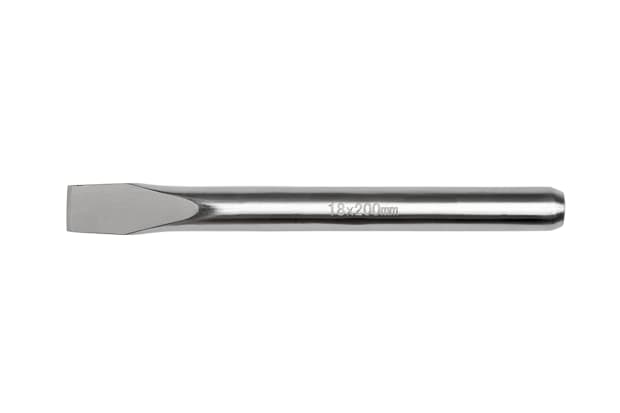
Bahco
Shop the full range of Bahco chisels with RS Components and discover the ideal tool to meet your requirements.

Irwin
Irwin chisels are available in a range of different types and sizes to suit varying projects. Shop online today.
Related links
- A Guide to Hand Saws
- A Complete Guide to Tape Measures
- A Complete Guide to Sanders
- What is a Hydrometer and What is a Hydrometer Used for in New Zealand?
- Angle Grinders - A Complete Buying Guide
- A Guide to UPS Systems and Why Eaton is Your Trusted Choice in New Zealand
- A Complete Guide to Resistors in New Zealand
- Everything You Need To Know About Calipers