Plastic Tubes
Plastic tubes are lightweight, versatile engineering materials used across industrial, commercial, and technical applications. Available in round, square, and rectangular profiles, they are commonly selected as a practical alternative to metal tubing where corrosion resistance, electrical insulation, or visual clarity is required.
At RS NZ, our range includes rigid plastic tube options made from acrylic, laminated plastics, and high-performance polymers such as PEEK. With multiple diameters, wall thicknesses, and lengths available, plastic tubes support everything from structural components and insulation to display systems and laboratory setups.
Types of Plastic Tubes
Different plastic tube materials are designed to meet specific performance and environmental requirements. Below are the most commonly used types available:
Acrylic Tubes
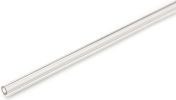
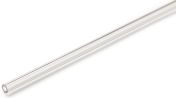
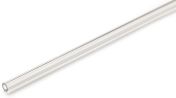
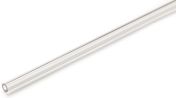
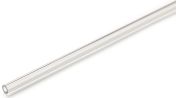
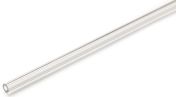
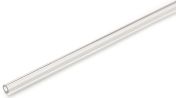
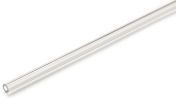
Acrylic tubes are clear tubes known for excellent optical clarity, UV resistance, and weathering performance. Lightweight yet strong, acrylic tube options are widely used in display systems, signage, furniture, and protective covers. These plastic tubes are also suitable for both indoor and outdoor environments where appearance matters.
Laminated Plastic Tubes
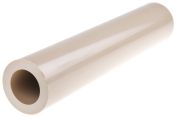
Laminated plastic tubes are manufactured from layered materials bonded with resin, resulting in a rigid, machinable structure. These tubes offer good mechanical strength, abrasion resistance, and electrical insulation, making them suitable for insulating sleeves, spacers, bushes, and structural supports in light-duty engineering applications.
PEEK Tubes
PEEK tubes are high-performance plastic tubes designed for demanding environments. They offer excellent resistance to high temperatures, chemicals, and mechanical stress, with low thermal expansion for dimensional stability. PEEK tubing is commonly used in oil and gas, electronics, and semiconductor applications where standard plastics are unsuitable.
Polycarbonate Tubes
Polycarbonate tubes combine high impact resistance with good optical clarity, making them suitable for protective guards, machine enclosures, and transparent structural components. Compared to acrylic tubes, polycarbonate offers greater toughness and is often selected where durability and safety are critical.
Key Factors to Consider When Choosing the Right Plastic Tube
Selecting the right plastic tube depends on performance, fit, and end-use requirements:
- Choose material based on performance: Acrylic for clarity, laminated plastics for insulation, or PEEK for high-temperature and chemical resistance.
- Ensure correct inner and outer diameter: Match tube dimensions to shafts, fittings, or fluid flow requirements.
- Consider mechanical needs: Assess impact strength, rigidity, and abrasion resistance for the application.
- Cut-to-length vs standard lengths: Decide whether standard tube lengths are sufficient or if custom cutting is required.
Applications of Plastic Tubes
Plastic tubes are used across a wide range of industries and environments, including:
- Industrial & engineering: Structural supports, spacers, rollers, and insulating components
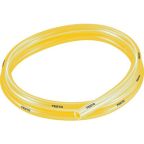
- Fluid & gas handling: Non-corrosive tubing for low-pressure systems and protective sleeves
- Display & signage: Clear acrylic tubes for illuminated signs, retail displays, and architectural features
- Laboratory & scientific: Chemical-resistant tubing for controlled environments and test setups
- Hobby & DIY projects: Lightweight, easy-to-machine materials for custom builds and prototypes
Explore High-Performance Plastic Tubes from RS New Zealand
RS New Zealand is a trusted supplier and distributor of plastic tubes, offering high-quality solutions from brands such as RS PRO, Festo, and Tufnol. Our range supports applications from general fabrication to specialised engineering environments, with clear acrylic tubes, rigid plastic tubing, and advanced polymer options available.
Ordering online is straightforward — select your required tube size and material through our easy-to-use platform and have it delivered nationwide across New Zealand. RS also offers access to related materials such as plastic sheets, adhesives, push-on fasteners, and insulation materials, helping you source everything you need in one order. For full details on ordering and delivery services, please visit our delivery information page.
Frequently Asked Questions About Plastic Tubes
Can plastic tubes be cut to length?
Yes. Plastic tubes can be cut, sawn, or machined using appropriate tools, allowing custom sizing for specific applications.
How do plastic tubes compare to metal tubes?
Plastic tubes are lighter, corrosion-resistant, and electrically insulating, while metal tubes typically offer higher structural strength.
Can plastic tubes carry fluids and gases?
Yes, depending on material and pressure rating, plastic tubes can be used for fluid and gas handling applications.
What are the common sizes for plastic tubing?
Plastic tubes are available in a wide range of inner and outer diameters, wall thicknesses, and standard lengths.
Are PEEK tubes suitable for high-temperature environments?
Yes. PEEK tubes perform well in high-temperature and chemically aggressive conditions where standard plastics may fail.
What’s the difference between laminated plastics and solid polymers?
Laminated plastics are layered composites offering machinability and insulation, while solid polymers like acrylic or PEEK are homogeneous materials with consistent properties throughout.









Popular Searches
Related links
- RS PRO Clear Acrylic Round Acrylic Tube, 1 m x 12 mm OD x 8 mm ID
- RS PRO Polyvinyl Chloride 3 mm ID Clear, 25 m
- Plastic Pipes
- RS PRO Clear Acrylic Round Acrylic Tube, 1 m x 22 mm OD x 16 mm ID
- Plastic Sheets
- Tube Stops & Plugs
- Hose Pipe & Flexible Tubes
- RS PRO Clear Acrylic Round Acrylic Tube, 1 m x 32 mm OD x 26 mm ID