Sealants
Sealants are indispensable materials, crucial for creating durable moisture barriers to prevent water damage and mould in areas like basements and bathrooms. Widely relied upon by construction professionals and homeowners in New Zealand, waterproof sealants come in a variety of materials — including robust silicone and liquid rubber — effectively sealing surfaces and protecting against environmental ingress.
Types of Sealants
Sealants come in various formulations, each offering unique properties tailored for specific applications. Some of the most popular types include:
Silicone Sealants
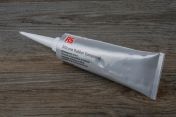
Silicone sealants remain a highly popular choice due to its exceptional power, flexibility and durability. This flexible yet tough rubber effectively glues together gaps and seams in various applications, from bathtubs and windows to roofs and automotive parts where it withstands high temperatures.
Waterproof Sealants
Waterproof sealants are specifically designed to protect materials and surfaces from water damage effectively. Beyond preventing moisture ingress, these essential sealants also offer defences against sun damage and temperature fluctuations caused by ultraviolet radiation. They form a crucial barrier, preserving the integrity and longevity of various installations such as window frames and outdoor roofing.
Gasket Sealants
Gasket sealants are solutions such as sprays, pastes or glues that are applied to hold gaskets in place, reducing friction between parts. They crucially prevent fluid leakage and mechanical breakdowns, thus ensuring continuous and efficient operation. Playing a major role in vehicle and industrial machine engines, these sealants reinforce and maintain joint reliability effectively.
Polyurethane Sealants
Polyurethane sealants are valued for their durability and non-shrink ability, and can be easily painted over, making them ideal for seamless integration with decorative features. However, they typically provide less longevity and resistance to extreme temperatures or UV light compared to silicone alternatives.
Sealant Modulus and Cure Types
Understanding sealant modulus and cure types is crucial for selecting the optimal product for specific applications, directly impacting performance and durability:
Sealant Modulus
Sealant modulus refers to the sealant's elasticity and flexibility, which determines its suitability for different joint types and movement levels.
- High Modulus Sealants: These sealants are less elastic but more hardwearing, making them ideal for indoor applications like kitchen or bathroom sealing around baths, showers, sinks and worktops, where minimal movement is expected.
- Low Modulus Sealants: Offering better flexibility and adhesion, low modulus sealants are best for outdoor and weather-resistant applications such as perimeter seals and exterior UPVCs, where slight joint movement may occur.
Sealant Cure Types
Most sealants are available in one of two primary cure types, which dictate their curing process, adhesion properties and odour during application:
- Acetoxy Cure: Typically associated with high modulus silicone sealants, acetoxy cures mean they cure faster and harder. They will emit a slight vinegar smell during the curing process.
- Neutral Cure: Often found in low modulus variants, neutral cure sealants adhere better to a greater range of surfaces. They cure slowly to a more elastic consistency and give off little odour, making them a versatile option.
Factors to Consider While Buying Sealants
Choosing the right sealant is crucial for ensuring a long-lasting and effective seal in any application. Consider these key factors before making your purchase:
- Material Type: Different sealants are made from various materials like silicone, polyurethane or acrylic, each offering distinct properties. Selecting the correct material ensures compatibility and optimal performance for your specific needs.
- Application: The intended application dictates the ideal sealant choice. Whether you need a general-purpose sealant, a gasket sealant for engines or a waterproof sealant for marine environments, matching the product to its use is vital.
- Drying and Curing Time: Consider the required drying and curing time, as this can vary significantly between sealant types. Faster curing times can be beneficial for quick project completion, while some applications require slower, more controlled curing.
- Resistance Properties: Evaluate the sealant’s resistance to environmental factors like UV light, extreme temperatures, chemicals and mould growth. A waterproof variant, for instance, offers superior resistance to moisture and harsh conditions.
Applications of Sealants
Sealants are versatile materials indispensable across a vast array of industries and everyday applications, such as:
- Construction and Building: In construction, sealants are vital for weatherproofing buildings, sealing joints in concrete and around windows and doors. They prevent water ingress and contribute to structural integrity, making them crucial for durable building envelopes.
- Automotive: The automotive industry extensively uses gasket sealants for engine components, body seams and windshield installations. They prevent fluid leaks, dampen vibrations and protect against environmental factors.
- Plumbing: In plumbing, waterproof sealants are essential for creating watertight connections around pipes, fixtures and drains. They prevent leaks, mould growth and water damage in bathrooms, kitchens and other wet areas.
- Marine: Sealants are critical in marine applications for vessels and offshore structures due to exposure to water and harsh conditions. Silicone sealants are commonly used to seal windows, hatches and hull penetrations, ensuring watertight integrity.
- Food and Beverage Industry: In the food and beverage sector, specialised sealants ensure hygienic and contamination-free processing environments. They are used for sealing equipment, tanks and floors, complying with strict sanitation standards.
- DIY and Home Improvement: Homeowners widely use sealants for various DIY tasks, such as sealing gaps around windows, bathtubs and sinks. Options like silicone putty sealants provide easy-to-use solutions for common household repairs and improvements.
Your Trusted Sealant Supplier and Manufacturer in New Zealand
RS New Zealand stands as your trusted manufacturer, supplier and distributor of high-quality sealants across New Zealand. Our expansive selection provides outstanding value, featuring versatile waterproof options — as well as complementary items such as duct tape and safety gloves — from leading manufacturers like 3M and Loctite. All our products are rigorously tested, complying with international standards and are backed by our commitment to assured quality.
For unparalleled convenience, RS New Zealand also guarantees the nationwide doorstep delivery of your products. For comprehensive details on dispatch timelines, applicable charges and diverse shipping choices, please consult our dedicated Delivery Information page today!


Popular Searches
Related links
- Silicone Sealants - A Complete Buying Guide
- RS PRO RS Components Neutral Silicone Sealant Black Sealant Paste 310 ml Cartridge
- CRC CRC RTV Silicone Sealant Red Sealant Silicone polymer 184 g Cartridge
- Sealants & Resins
- CRC CRC RTV Silicone Sealant Grey Sealant Pressurised Tube 184 g Tube
- Loctite SI 5660 Silicone Sealant Paste for Gasket Sealing 100 ml Tube
- RS PRO RS Silicone Rubber Compound Transparent Sealant Paste 100 g Tube
- Gaskets & O-Rings