Socket Testers
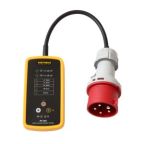
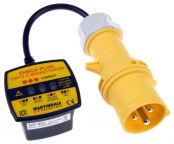
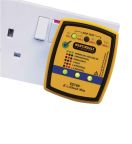
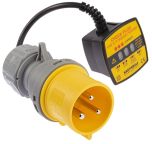
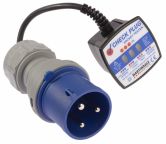
A socket tester is a small, portable safety device designed to be quickly plugged into an AC wall socket to verify its operational status. The core function of an electric socket tester is to immediately check the basic integrity of the wiring configuration. By using a simple light interface, the plug socket checker provides a rapid indication of common wiring faults, such as missing earth, reversed polarity, or incorrect live/neutral connections, ensuring the outlet meets fundamental safety standards.
Types of Socket Testers
Socket testers are generally categorised by their level of diagnostic capability, ranging from basic indication to detailed numerical measurement. This distinction separates simple plug socket checkers intended for quick fault identification from the more advanced professional units used for certification and precise electrical testing.
Simple Testers
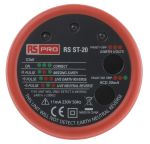
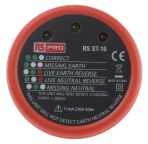
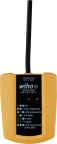
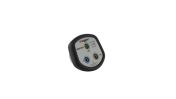
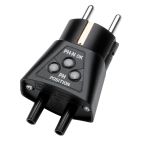
Simple socket testers (often called plug testers or basic power outlet testers) are the most common, cost-effective type, designed for rapid, routine safety checks. These compact devices — typically the size of a standard wall plug — can detect a range of basic faults, such as open neutral or reversed polarity, which are indicated by a combination of LED lights. Crucially, while they confirm the presence of an earth connection, they cannot measure the earth fault loop impedance, which is a key measure of earth integrity and compliance.
Advanced Testers
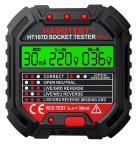
Advanced socket testers go beyond the simple fault indication provided by basic models, offering enhanced diagnostic capabilities. They include all the standard functions of a simple socket tester, detecting basic faults like reversed line/earth and reversed line/neutral connections. Crucially, these more sophisticated units can also display the range of numerical values for the earth fault loop impedance. This feature allows technicians to gauge the quality of the earth connection, providing more meaningful safety data than just a simple pass/fail light.
Professional Testers
Professional socket testers represent the highest level of non-invasive electrical socket testing capability. Like advanced models, they perform all the basic safety checks and provide a precise numerical value of the earth fault loop impedance reading. However, their primary role is to provide detailed, verifiable data required to certify or report on new or existing electrical installations, ensuring compliance with stringent regulatory standards. These highly accurate units are therefore indispensable for electricians and inspectors performing final installation checks.
Factors to Consider When Choosing a Power Socket Tester
When selecting the best power socket tester for your needs, make sure to consider the following factors:
- Electrical System and Plug Type: Ensure the socket tester is physically designed for the plug type used in your region (e.g., 3-pin NZ/AU style) and is rated for your system's voltage and frequency.
- Tests You Actually Need: Decide whether you require only basic fault indication (Simple Tester) or if you need to measure the earth fault loop impedance for regulatory reporting (Advanced/Professional Tester).
- Safety Ratings and Compliance: Always check that the electrical socket tester meets necessary safety standards, such as Category ratings (CAT II, CAT III) and local New Zealand electrical compliance.
- Build and Ergonomics: As a handheld tool, the design and material quality are important; choose a robust, comfortable plug socket checker that is easy to read and operate.
- Durability and Environment: If used frequently on-site or in harsh industrial settings, select a socket tester with a high ingress protection (IP) rating for resistance against dust and moisture.
- Budget and Brand Support: Consider the upfront cost against the long-term value, bearing in mind that premium brands often provide better accuracy, reliability, and technical support.
Applications of Electrical Socket Testers
The speed and reliability of a socket tester makes it a fundamental safety tool across numerous professional trades, including:
- Electrical Installation and Maintenance: Essential for electricians to quickly verify the correct wiring and polarity of new installations or to rapidly diagnose the cause of faults during routine electrical maintenance work.
- Facilities and Safety Inspections: Used by safety officers and building managers to perform routine checks on the integrity of power sockets in offices, schools, and hospitals, ensuring compliance with health and safety standards.
- Industrial Production Sites: Crucial for verifying the integrity of power outlets before connecting expensive or sensitive machinery, minimising the risk of equipment damage due to faulty wiring and ensuring machine safety.
Buy Electrical Socket Testers From RS New Zealand
Acquiring your electrical socket testers from RS New Zealand’s digital platform is a straightforward and dependable process. Our extensive online catalogue offers a wide selection of top-quality socket tester solutions, as well as related products such as digital multimeters and insulation testers, from leading brands such as Fluke and Martindale. Once you've selected your preferred products, simply proceed to checkout via any of our convenient online payment options.
When you purchase your power socket tester solutions from us, you're investing in quality assurance and expert technical support. This, coupled with our competitive prices, ensures you get the best value without compromising on safety compliance or diagnostic reliability.
Additionally, our delivery services ensure the swift, nationwide doorstep shipment of your products across New Zealand. For complete specifics on dispatch timelines, applicable charges, and available shipping choices, kindly consult our dedicated Delivery Page today.






Popular Searches
Related links
- Plug Sockets
- Fluke Socket Tester 2mA 300 V Frame Profile
- Mains Plugs
- Stanley, Model FMHT82568-5 Socket Tester 11mA 230 V Crow Foot
- Stanley, Model FMHT82569-6 Socket Tester 230 V ac CAT II
- Martindale, Model PC105/32 Socket Tester 32A 415 V CAT III
- Loop & RCD Testers
- Martindale, Model EZ664 Socket Tester 30mA 230 V CAT III