Light Meters
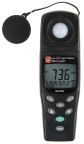
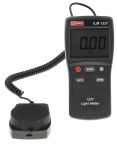
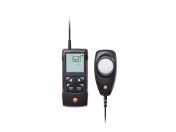
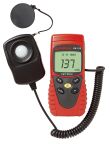
Light meters, sometimes referred to as lux meters, are types of measurement devices used to identify the light intensity in a given environment. They are used across industries to assess whether lighting levels are safe, effective, and compliant with standards.
How is Light Measured?
Light can be measured in different ways with different light measurement devices:
- Photometer: Measures visible light or light intensity. Light intensity can be measured in two ways: Using a luminance meter, which measures the visible energy output of a light source, and another method is by using an illuminance meter, which measures the visible energy falling on an object's surface.
- Integrating Sphere: Collects electromagnetic radiation from a source completely external to the optical device
- Spectrometer: Uses the light, breaks it into its spectral components, and creates a digital signal in wavelength form.
- Light Meter: Measures light levels and is the most commonly used piece of equipment.
Units of Measurement
Light meters typically return results in two main units:
- Lux (lx): Standard in New Zealand and most countries, measuring how much light falls on a surface.
- Foot-Candles (fc): Commonly used in the United States; one foot-candle equals approximately 10.76 lux.
Types of Light Meters
There are several types of light testing meters available in RS New Zealand:
Handheld Models
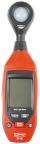
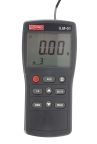
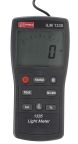
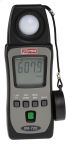
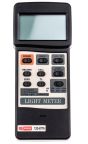
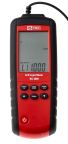
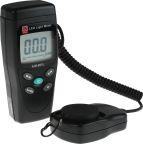
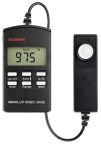
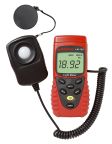
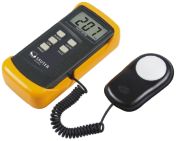
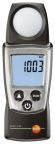
Portable and easy to operate, handheld light meters often include integrated sensors or detachable probes. They are widely used in workplaces, classrooms, and field inspections for quick and reliable light readings.
Advanced Models
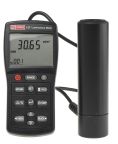
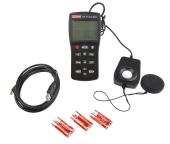
These offer additional functionality such as data logging, storage, and transfer. Advanced light meters are ideal for professionals who need continuous monitoring, compliance reporting, or integration into research and testing environments.
Key Benefits of a Light Meter and a Lux Meter
Investing in a lux meter provides several advantages:
- Portability: Many models are compact and handheld, making them ideal for on-site measurements.
- Accuracy: Designed to deliver precise measurements, lux meters help ensure lighting conditions meet required standards, critical for workplace compliance and professional applications like photography.
- User-Friendly: Modern digital lux meters feature intuitive controls, backlit displays, and real-time results, making them simple to use even for beginners.
- Health & Safety Compliance: Regular monitoring helps businesses maintain appropriate lighting levels, reducing eye strain, fatigue, and safety risks caused by poor illumination.
How to Choose the Right Light Meter?
When selecting a light meter, consider the following factors:
- Application Type: Define your primary use, as various applications may have different requirements. For instance, photographers may prioritise exposure accuracy, while facilities managers might need compliance-ready devices.
- Measurement Range: Make sure the meter’s range matches the expected light levels. Some models are ideal for low-light settings such as offices or studios, while others are designed to handle very bright environments like warehouses, stadiums, or outdoor spaces.
- Units of Measurement: In New Zealand, light is typically measured in lux, though some light measurement devices also display readings in foot-candles. Dual-unit meters are helpful if you work across different standards.
- Accuracy & Calibration: High-accuracy models ensure reliable readings for professional use. Choose a device that supports easy calibration, as this maintains consistency and extends the meter’s lifespan.
- Additional Features: Advanced digital lux meters may include extras such as data logging, Bluetooth or USB transfer, auto-ranging, and memory storage. These are especially useful for compliance reporting and long-term monitoring.
- Battery Life: Long-lasting power is important for extended fieldwork. Some meters feature automatic shut-off modes to help conserve energy.
- Environmental Resistance: If using the device outdoors or in challenging environments, select a model designed to withstand humidity, temperature fluctuations, dust, or moisture.
Applications of Lux Meters
Lux meters are used across a wide range of industries and environments, including:
- Workplaces: Measure and verify lighting levels to meet occupational health and safety standards, helping to reduce eye strain, prevent fatigue, and improve employee comfort and productivity.
- Photography & Film: Essential for photographers and filmmakers to determine correct exposure and achieve consistent results, whether working in controlled studio lighting or variable natural light conditions.
- Public Spaces: Commonly used in schools, hospitals, libraries, and offices to maintain safe, comfortable, and compliant lighting for staff, students, and visitors.
- Industrial Facilities: Monitor and regulate lighting in factories, warehouses, and production areas to support visibility, operational efficiency, and worker safety.
- Research & Laboratories: Serve as precision tools in scientific studies, agriculture, and material testing, where accurate light measurement is critical to experimental outcomes.
Find Your Ideal Light Meter Today
Discover the right light meter for your needs with RS New Zealand. Whether you require a basic analogue light meter for quick spot checks or an advanced digital lux meter for material testing, RS New Zealand stocks trusted global brands at competitive prices.
Shop online today with RS and benefit from reliable supply, expert support, and fast delivery nationwide. For more measurement devices, we have anemometers, tachometers, and more.
With RS, you can count on reliable products, a seamless ordering process, and quick delivery to keep your projects moving. Check out our delivery information to learn more.