Temperature Probes
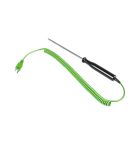
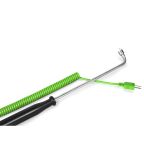
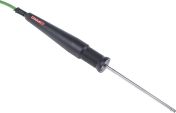
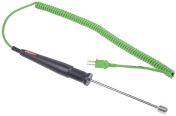
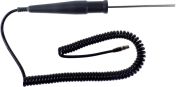
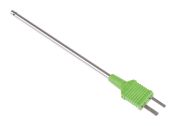
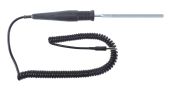
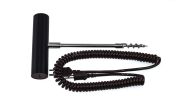
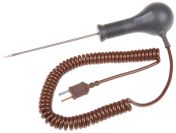
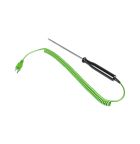
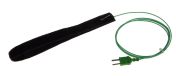
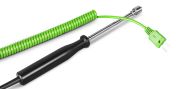
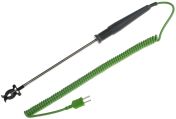
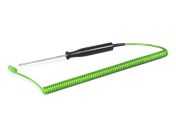
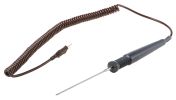
A temperature probe — also known as a thermal probe or heat probe — is an instrument designed to measure the temperature of air, liquids or surfaces. These versatile tools come in various forms, such as thermocouples, thermistors and RTDs, and are essential for complementing thermometers and data logging instruments.
Their inherent versatility allows them to be customised for a wide range of applications, from monitoring the temperature inside a furnace, to non-invasive surface measurements on pipework and motor casings. Their designs can also often be tailored according to specific temperature ranges, cable lengths and connections.
Types of Temperature Probes
A wide range of temperature sensors are available, each with unique characteristics tailored for specific applications. The most common types of temp probes include RTDs, thermistors and thermocouples:
Resistive Temperature Detectors (RTD Temperature Sensors)
A Resistive Temperature Detector (RTD) is a highly precise temperature probe that’s available in materials like Platinum and Nickel. These temperature sensors come in various resistance ranges, including PT100/PT1000 or NI100/Ni1000. Their key drawback, however, is a tendency to wear out over time, which necessitates frequent replacement.
Negative Temperature Coefficient (NTC Temperature Sensor) Thermistor
Negative Temperature Coefficient (NTC) thermistors are a type of temperature probe prized for their quick response and high accuracy. These temperature sensors are a lower-cost option and are often potted into customised housings to suit client requirements. While they have a smaller temperature range, specific models can handle temperatures from -40°C to +125°C (epoxy-encapsulated) or up to +250°C (glass-encapsulated).
Thermocouple Prober
Thermocouples are the most commonly used temperature probe due to their simple design and fast response to temperature changes, but they are less stable over time and require more frequent replacement. Composed of different materials, the various types of thermocouples available allow for a wide range of temperature monitoring, with the most common one being a Type K, which can measure from -180°C to 1300°C.
Key Factors to Consider When Choosing the Temperature Probe
Selecting the right temperature probe is critical for obtaining accurate and reliable measurements. Here’s what to keep in mind when making your choice:
- Choose the Right Sensor Type: The first step is to select between common types like RTDs, thermistors and thermocouples. Each type offers a different balance of accuracy, temperature range and cost.
- **Determine Probe Configuration: **The physical design of the probe must match the medium you are measuring. Options include surface probes, immersion probes for liquids or air probes for gaseous environments.
- **Temperature Range Needs: **Ensure the probe you choose can operate reliably across the full range of temperatures in your application. Using a probe outside of its specified range can lead to inaccurate readings or permanent damage.
- **Accuracy Requirements: **Different applications require different levels of precision. Consider the required tolerance and stability to select a probe that provides the necessary measurement reliability over time.
- Durability and Build Quality: The probe’s materials and construction must be durable enough to withstand its operating environment. Factors like moisture, chemicals or vibration can affect its lifespan.
- Connector and Cable Considerations: The probe’s cable and connector must be compatible with your measuring instrument. They must also be able to handle the environmental conditions without degrading.
Applications of Temperature Sensors
Due to their robust design and versatility, temperature sensors are essential for a wide variety of industrial, commercial and scientific applications where accurate temperature monitoring is crucial. Some examples include:
- Air Conditioning and Refrigeration: High temp probes are used to monitor and maintain ideal temperatures within cooling systems. This ensures system efficiency and helps to prevent equipment from overheating or freezing.
- Chemical Industry: These sensors are critical for monitoring and controlling temperatures during chemical processes and reactions. Their use is vital for ensuring both product quality and employee safety in volatile environments.
- Plastics Processing: Temperature control is paramount during the moulding, extrusion and shaping of plastics. Temperature probes ensure that the material is at the correct temperature for consistency and quality.
- Stoves and Grills: Temperature sensors are integrated into stoves and grills to monitor and regulate heat for precise cooking and heating. This is essential for both domestic appliances and commercial catering equipment.
- Food Processing: Using a meat temperature probe or a food temperature probe is crucial for ensuring product quality and safety. They are used to monitor temperatures during cooking, chilling and storage to prevent bacterial growth.
- Laboratories: In laboratories, temp probes are used to accurately monitor and control the temperature of samples, reagents and equipment. Their precision is essential for reliable scientific experiments and research.
Shop Reliable Temperature Probes at RS New Zealand
Acquiring your temperature probes from RS New Zealand’s digital platform is crafted for ultimate efficiency and convenience. Our expansive online catalogue features products from leading brands like Fluke and Testo. Here, you can discover the exact probes you need — as well as associated products such as cable glands and digital multimeters — and effortlessly complete your purchase using our secure payment methods.
Our delivery services also guarantee the swift, nationwide doorstep delivery of your temperature sensors throughout New Zealand. For complete specifics on dispatch timelines, applicable charges and various shipping choices, kindly consult our dedicated Delivery Page today!
Related links
- SKF K Flat Head RTD Temperature Probe Temperature Probe
- Ezurio Rounded RTD Temperature Probe Temperature Probe 4mm Diameter, 180 °C Max
- Testo Temperature Probe
- RS PRO K Perforated Air Temperature Probe 4mm Diameter, 750 °C Max
- Digitron Temperature Probe
- Fluke 80PK-1 Temperature Probe
- SKF Temperature Probe
- Schneider Electric Temperature Temperature Probe