Cable Trays
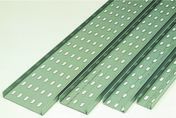
Cable trays are a type of cable management system designed to provide a safe and efficient way to route and protect cables. They are typically made of metal and consist of a series of interconnected channels that form a pathway for all types of cables, which are placed inside the trays and can be easily routed and secured along the desired path.
What Are the different types of Cable Trays?
Understanding the different types of electrical cable tray systems available is crucial for optimal infrastructure deployment.
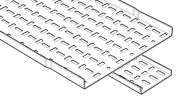
Ladder Cable Trays
Ladder cable trays have a ladder-like design with horizontal side rails connected by rungs. The rungs provide support for cables and allow easy access for maintenance. This design offers excellent ventilation for cables, preventing heat build-up and supporting heavy cable loads over long spans.
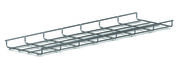
Wire Mesh Cable Trays
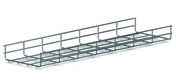
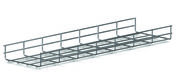
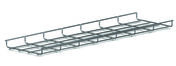
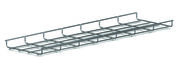
Wire mesh cable trays, also referred to as cable baskets, consist of wire mesh panels or grids that form the bottom and sides of the tray. This lightweight yet robust design offers superior ventilation, drainage, and flexibility for routing cables around obstacles. The open mesh allows for quick visual inspection of cables and simplified cable drops.
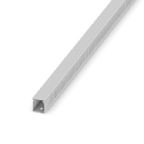
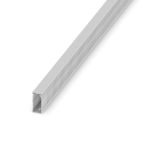
Trough Cable Trays
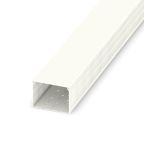
Trough cable trays have a rectangular or U-shaped cross-section with open or partially covered sides, providing maximum protection from dust, debris, and electromagnetic interference (EMI). While offering superior cable protection, trough trays can easily accumulate heat due to limited ventilation.
Basket Cable Trays
Basket cable trays have a basket-like structure with wire mesh or perforated sides. While sometimes used interchangeably with wire mesh, basket cable trays are a specific form of wire mesh cable tray with a deeper profile and more robust construction, designed for heavier cable loads.
Single Rail Cable Trays
Single rail cable trays consist of a single rail or track with attachments for cable support. This unique design is typically used for lighter cable loads and where aesthetic considerations are important.
Benefits of Cable Trays
Utilising cable trays offers numerous operational advantages for industrial manufacturers and businesses in NZ:
- Enhanced Protection: Cable management trays shield cables from physical damage, dust, and environmental hazards, extending their lifespan.
- Improved Safety: Organised cabling reduces trip hazards and minimises the risk of electrical faults, contributing to a safer working environment.
- Optimal Ventilation: Open-style cable trays, especially wire mesh and ladder cable trays, promote better airflow around cables, reducing heat build up and improving the overall cooling efficiency of electrical systems.
- Simplified Maintenance & Modification: Easy access to cables facilitates quicker fault finding and repairs. In addition, future upgrades or modifications can be implemented without significant disruption.
Factors to Consider When Choosing the Right Cable Baskets & Trays
Selecting the appropriate cable tray system requires careful consideration of several factors:
- Cable Requirements: Assess the type, quantity, weight, and diameter of cables that require support. This will dictate the required load capacity, width, and depth of the chosen cable tray.
- Tray Type: Choose between ladder, wire mesh, trough, or single rail based on ventilation needs, level of protection required, and ease of installation. For instance, a stainless steel cable tray is often the best choice for corrosive environments.
- Material and Finish: Materials (e.g., galvanised steel, aluminium, stainless steel) and finishes (e.g., powder coating, hot-dip galvanised) should be chosen based on environmental conditions and load-bearing capacity
- Future Expansion Needs: Account for future cable additions by selecting a tray system with sufficient spare capacity. Over-specifying initially can prevent costly re-installations later.
Applications of Cable Trays
Cable management trays are integral to infrastructure across a broad spectrum of industries, including:
- Commercial Buildings: Cable trays are used for distributing power, data, and communication cables in offices, shopping malls, and hospitals.
- Industrial Facilities: Essential for managing heavy power and instrumentation cables, electrical cable trays are indispensable in manufacturing plants, warehouses, and assembly lines.
- Data Centres: Cable management trays are crucial for the organised routing of data and power cables, as well as maintaining airflow and facilitating rapid changes.
- Telecommunications: Cable trays support the extensive cabling networks required for broadband, telephone, and mobile communication infrastructures.
- Petrochemical and Oil Refineries: Stainless steel cable tray systems are utilised due to harsh, corrosive, and potentially hazardous environments.
- Power Plants: As power plants manage high-voltage power cables and sensitive control wiring, there is a need for robust cable trays that are capable of withstanding extreme conditions
Organise Your Cables with Our Reliable Cable Trays
Ensure the safety, efficiency, and longevity of your electrical infrastructure with RS NZ's comprehensive range of cable trays. From versatile wire mesh cable trays to rolled edge cable trays, our solutions provide optimal cable management for any industrial application. Some brands we stock include Cablofil International, Legrand and StarTech.com.
When shopping for your cable trays at RS NZ, you can also browse our other cable management essentials that include cable markers, cable covers and cable spiral wrapping. For more information about our ordering process, delivery services, and delivery fees, please refer to ourdelivery page.






Popular Searches
Related links
- Cable Tray Accessories
- StarTech.com, Steel 105 mm x 12mm x 207 mm
- Rittal Sheet Steel Cable Tray Cable Tray for Use with TE 8000 Series, VX IT Series
- MECATRACTION Cable Tray Accessory Stainless Steel Cable Tray Accessory
- MECATRACTION Cable Tray Accessory Brass Cable Tray Accessory, 17mm Width
- Legrand Light Duty 90° Flat Bend Pre-Galvanised Steel Cable Tray Accessory 12 mm Depth
- Legrand Swiftclip Hot Dipped Galvanised Steel Cable Tray Accessory, 300mm Width
- Cablofil International Support Rail Pre-Galvanised Steel Cable Tray Accessory 22 mm Depth