PAT Testers
A PAT tester, short for Portable Appliance Tester, is an essential device used to check the safety and compliance of electrical appliances. By performing a series of electrical tests, a portable appliance tester ensures that equipment is safe for use and meets workplace safety regulations. In New Zealand, PAT testing is particularly important in construction, industrial, educational, and commercial settings, where the Health and Safety at Work Act mandates regular electrical safety checks.
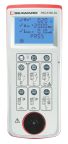
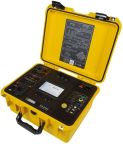
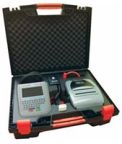
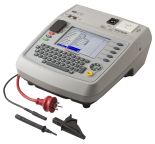
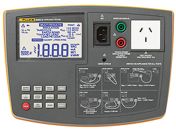
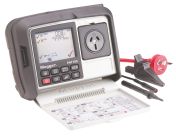
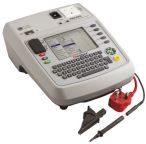
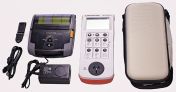
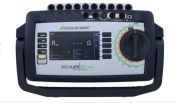
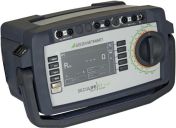
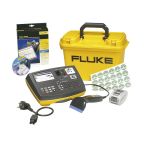
RS New Zealand supplies a wide range of PAT testers, including entry-level and advanced models designed to support professional testing, tagging, and record-keeping.
Types Of PAT Tester
Choosing the right PAT tester depends on the type of equipment being tested and the level of automation or reporting required. Below are the main categories available.
Class I PAT Testers
These testers are used to assess appliances with basic insulation and an earth connection (e.g. desktop computers, toasters). They perform earth bond and insulation resistance checks to determine if a resistor may be necessary. This makes them ideal for general-purpose appliance tester needs.
Class II PAT Testers
Designed for double-insulated appliances (without an earth connection), Class II PAT testers measure insulation resistance and leakage currents. These are suited for items like cordless electric drills or hairdryers.
Dual-Function PAT Testers
Dual-function testers combine Class I and Class II testing capabilities in one unit. These are ideal for facilities that manage a wide variety of electrical equipment and require a more versatile PAT tester.
Advanced Multifunction Testers
Advanced models, called multifunction testers, go beyond basic safety tests by offering features like Residual Current Device (RCD) testing, power measurement, barcode scanning, and data logging. These high-end portable appliance testers are used by professional electrical testers for compliance, auditing, and asset management.
Benefits Of PAT Testers
Using a PAT tester offers numerous safety and operational advantages, including:
- Ensures Electrical Compliance: Confirms that equipment meets AS/NZS 3760:2022 standards for in-service safety inspection and testing.
- Prevents Electrical Hazards: Detects insulation faults, earth continuity failures, and leakage currents before accidents occur.
- Reduces Downtime: Identifies failing or unsafe appliances early, avoiding disruptions to operations.
- Simplifies Asset Tracking: Many modern PAT machines include logging and labelling features to streamline record-keeping.
- Enhances Workplace Safety: Regularly using PAT testing equipment improves overall machine safety and reduces liability risks.
Factors To Consider While Choosing The Right PAT Tester in New Zealand
Before purchasing a portable appliance tester, assess the following:
- Determine Your Needs: Are you testing high volumes, multiple appliance classes, or on-site in remote locations?
- Select the Right Tester: Choose a PAT tester that fits your application scope.
- Consider Additional Features: Look for printers, barcode scanners, USB connectivity, or memory storage depending on reporting needs.
- Set a Budget: Entry-level testers are cost-effective, while premium PAT testing equipment offers advanced automation and data handling.
- Check Calibration Options: Ensure the tester can be recalibrated annually to meet legal compliance and maintain accuracy.
How Often Do Portable Electrical Appliances Need To Be Tested?
The frequency of PAT testing in New Zealand depends on the environment and type of equipment. High-risk areas like construction sites typically require more frequent testing (every 3–6 months), while office environments may only need testing every 1–2 years.
Factors influencing the test schedule include:
- Appliance class (I or II)
- Equipment usage (frequently moved vs. fixed installation)
- Environmental conditions (moisture, vibration, dust exposure)
Applications Of Portable Appliance Testers in New Zealand
PAT testers are used across a wide range of environments where electrical safety is a top priority:
- Offices & Commercial Buildings: Regular testing ensures plug-in devices like monitors and kettles meet compliance.
- Construction Sites: High-risk tools and equipment are frequently tested for earth continuity and insulation resistance.
- Industrial Facilities: Preventive maintenance of machinery and portable tools helps avoid unplanned outages and safety breaches.
- Educational Institutions: Regular testing of AV equipment, kitchen appliances, and science lab devices ensures student safety and equipment longevity.
The Trusted Supplier and Distributor of PAT Testers in New Zealand
RS New Zealand is your partner for sourcing high-performance PAT testers, designed to meet the rigorous demands of electrical safety compliance across a wide range of industries. Whether you're performing regular appliance checks in an office setting or conducting site-wide testing on a construction project, our portfolio of portable appliance testers is built to deliver accuracy, reliability, and efficiency.
We support your testing operations with a broader suite of electrical test and measurement tools, from insulation testers, to monitoring relays and tag fuses. We source from globally trusted brands like Megger, Protagand Flukeand invest in quality, compliance, and expert support.
Browse our full selection online today, and for detailed information on delivery lead times, product availability, and technical support, please visit our delivery information page.
Popular Searches
Related links
- A Complete Guide to PAT Testing
- PAT Tester Accessories
- Opticon PAT Testing Scanner, For Use With Emona Portable Appliance Tester
- Protag PAT Testing Cleaning Pen, For Use With Emona Portable Appliance Tester
- Protag PAT Testing Label, For Use With Emona Portable Appliance Tester
- Protag PAT Testing Label, For Use With Elite Test Tag Printer
- Electrical Test & Measurement
- Seaward PrimeTest 300 AU Portable Appliance Tester Class II Test Type